Understanding Sustainable Economics: A Comprehensive Guide


What is Sustainable Economics?
Sustainable economics is an approach that seeks to balance economic growth with environmental and social well-being. It emphasizes the need for economic systems to operate within the planet's ecological limits. By integrating sustainability into economics, we can address issues like climate change, resource depletion, and social inequality while fostering economic prosperity.

The Principles of Sustainable Economics
There are several key principles that underpin sustainable economics. These include the efficient use of resources, maintaining environmental quality, and ensuring social equity. By applying these principles, businesses and governments can create systems that are both economically viable and environmentally sound.
One important aspect of sustainable economics is the concept of the circular economy. This model focuses on minimizing waste and making the most of available resources. Instead of the traditional linear model of production and consumption, the circular economy encourages recycling, reusing, and regenerating materials.
Benefits of Sustainable Economics
Adopting sustainable economic practices offers numerous benefits. It can lead to a healthier environment, improved social welfare, and long-term economic resilience. By reducing dependency on finite resources and minimizing environmental impact, sustainable economics helps ensure that future generations have access to essential resources.
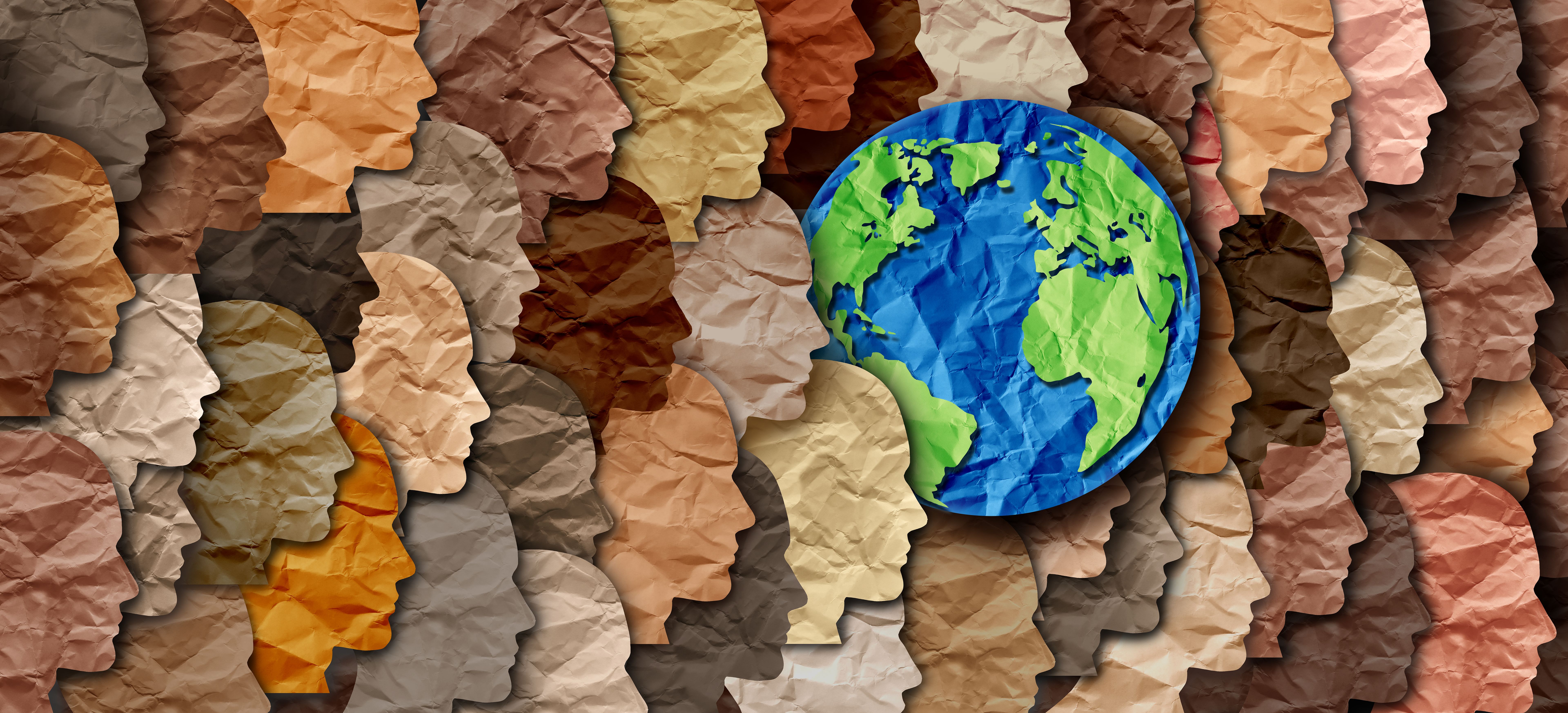
Moreover, sustainable economics can drive innovation. By encouraging the development of new technologies and business models, it opens up opportunities for growth and job creation. Companies that prioritize sustainability often gain a competitive advantage, attracting consumers who are increasingly concerned with environmental and social responsibility.
Challenges in Implementing Sustainable Economics
Despite its benefits, implementing sustainable economics is not without challenges. Transitioning from traditional economic models requires significant changes in policy, infrastructure, and behavior. Resistance from established industries and the initial costs of implementing sustainable practices can also pose obstacles.
However, governments, businesses, and individuals can work together to overcome these challenges. By fostering collaboration and investing in education and technology, we can pave the way for a more sustainable future.

Steps Towards a Sustainable Economy
There are several steps that can be taken to move towards a sustainable economy:
- Policy Reform: Governments can introduce regulations and incentives that promote sustainable practices.
- Corporate Responsibility: Businesses can adopt sustainable practices by reducing waste, conserving energy, and investing in sustainable technologies.
- Consumer Awareness: Educating consumers about the impact of their choices can drive demand for sustainable products and services.
The Future of Sustainable Economics
The future of sustainable economics is promising, as awareness and demand for sustainable practices continue to grow. Innovations in technology and shifts in consumer behavior are driving the adoption of more sustainable business models. As more stakeholders recognize the interconnectedness of economic, environmental, and social systems, sustainable economics will likely become a mainstream approach.
In conclusion, understanding and implementing sustainable economics is crucial for creating a resilient and equitable future. By embracing this approach, we can ensure that economic growth does not come at the expense of our planet and society.