Top Trends in Sustainable Economics You Need to Know


Understanding Sustainable Economics
Sustainable economics is an evolving field that focuses on balancing economic growth with environmental stewardship and social equity. As concerns about climate change and resource depletion grow, sustainable economic practices are becoming more critical. This post explores the top trends in sustainable economics that are shaping our future.
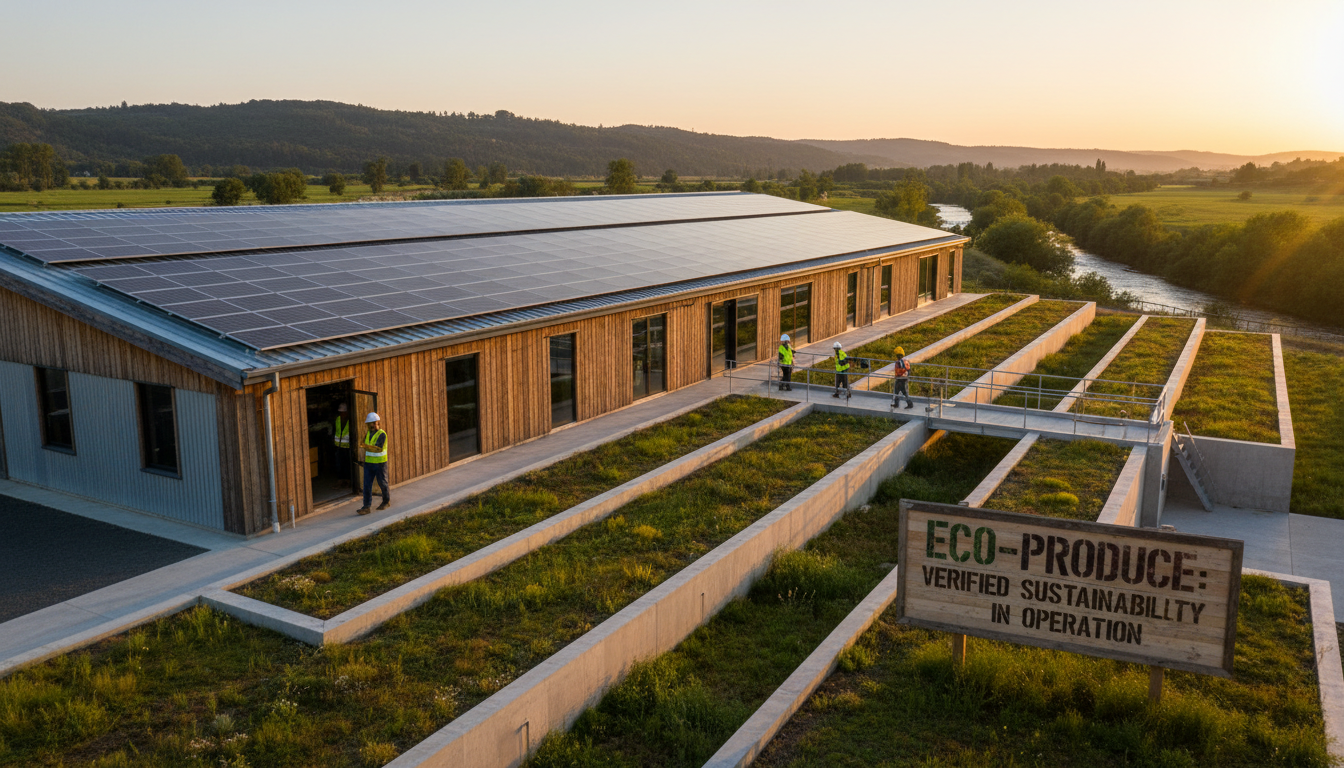
Circular Economy
The circular economy is a model that minimizes waste and makes the most of resources. In contrast to the traditional linear economy, which follows a 'take-make-dispose' pattern, the circular economy emphasizes reusing, repairing, and recycling. This approach not only reduces waste but also creates economic opportunities by fostering innovation and efficiency.
Businesses adopting circular economy principles are finding new revenue streams and reducing costs. For example, companies are designing products for longevity and using recyclable materials, thus lowering their environmental impact.
Green Finance
Green finance is gaining momentum as investors increasingly seek to support projects and companies with strong environmental credentials. This includes investments in renewable energy, green bonds, and sustainable infrastructure projects. Green finance helps drive the transition towards a low-carbon economy by providing the necessary capital to sustainable initiatives.

Governments and financial institutions are also playing a crucial role by creating frameworks and policies that encourage green investments. These efforts are essential for meeting global climate targets and promoting sustainable development.
Socially Responsible Investing (SRI)
Socially Responsible Investing is a strategy where investors choose companies based on their social and environmental impact, alongside financial returns. SRI has grown significantly as more investors prioritize ethical considerations in their portfolios.
Companies with strong sustainability practices often demonstrate better risk management and long-term profitability, making them attractive to socially conscious investors. This shift is encouraging more businesses to adopt sustainable practices and improve their ESG (Environmental, Social, and Governance) performance.

Sustainable Agriculture
Sustainable agriculture is essential for feeding a growing global population while preserving natural resources. Practices such as crop rotation, organic farming, and agroforestry help maintain soil health, reduce chemical use, and improve biodiversity.
Technology is also playing a vital role in sustainable agriculture. Precision farming, for instance, uses data analytics and IoT devices to optimize crop yields and resource use, reducing waste and environmental impact.
Conclusion
The trends in sustainable economics highlight a significant shift towards integrating environmental and social considerations into economic activities. By embracing these trends, businesses and investors can contribute to a more sustainable and equitable future. As we move forward, the collaboration between policymakers, businesses, and communities will be vital in driving the sustainable economic agenda.