Top Trends in Sustainable Economics and Their Implications


Introduction to Sustainable Economics
Sustainable economics is no longer just a niche topic; it's becoming central to business strategies and government policies worldwide. As environmental concerns grow, the integration of sustainable practices into economic systems is crucial for a viable future. This blog post explores the top trends in sustainable economics and their implications for businesses and society.

Circular Economy
The circular economy is gaining traction as a sustainable alternative to the traditional linear model of "take, make, dispose." This approach focuses on extending the lifecycle of products through recycling, reuse, and refurbishment. By minimizing waste, businesses can reduce costs and environmental impact.
Companies adopting circular economy principles often experience enhanced brand loyalty and a competitive edge. They not only cater to environmentally conscious consumers but also innovate in ways that reduce resource dependency.
Implications of the Circular Economy
- Resource Efficiency: Reduced need for raw materials leads to lower production costs.
- Job Creation: New roles emerge in recycling and refurbishment industries.
- Consumer Engagement: Enhanced transparency and sustainability can boost customer loyalty.

Green Finance
Green finance is reshaping the investment landscape, directing capital towards projects that promise environmental benefits. This includes green bonds, sustainable investing, and climate risk assessments. As financial markets respond to the climate crisis, green finance becomes a vital tool for aligning economic growth with environmental stewardship.
Implications of Green Finance
Investors are increasingly evaluating companies based on their environmental, social, and governance (ESG) criteria. This shift incentivizes businesses to adopt sustainable practices and disclose their environmental impact. Additionally, governments are providing incentives for green investments, further accelerating this trend.

Renewable Energy Adoption
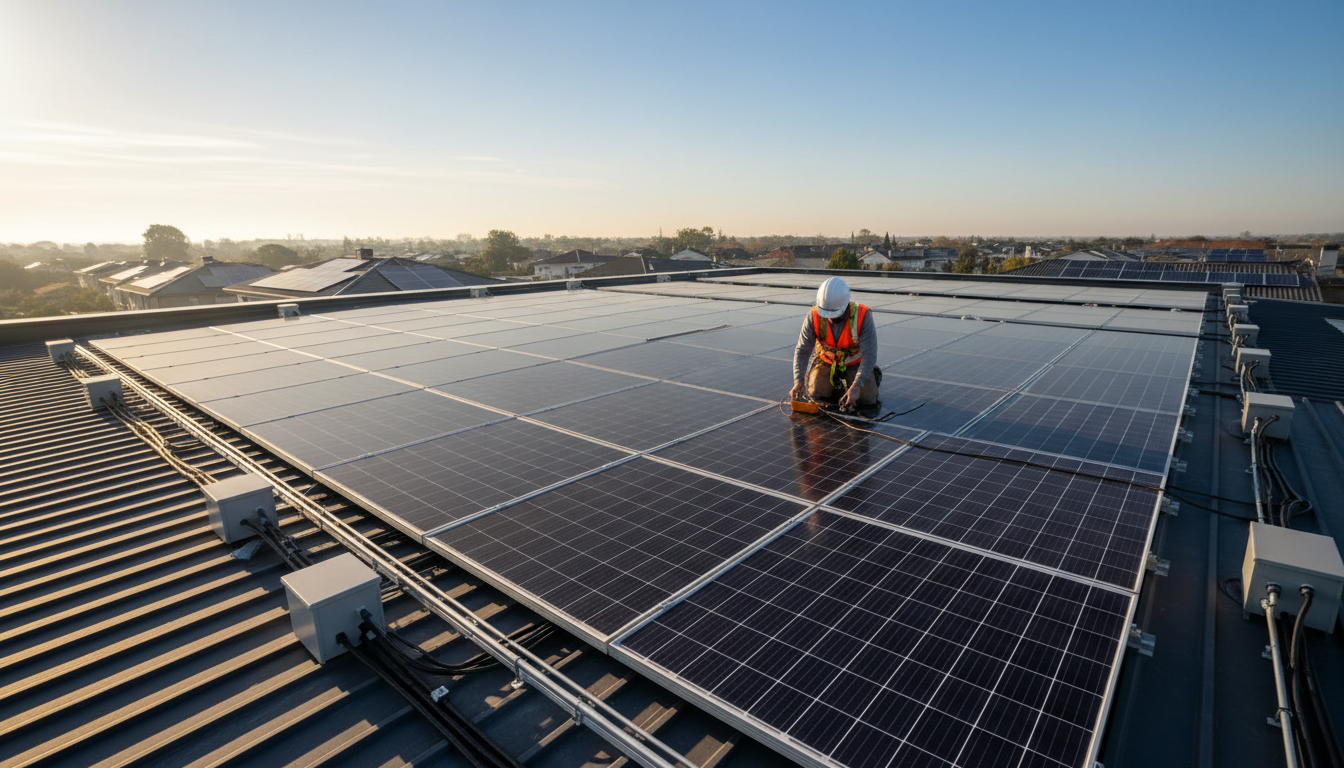
The transition to renewable energy sources is a cornerstone of sustainable economics. Solar, wind, and hydroelectric power are becoming more affordable and accessible, reducing reliance on fossil fuels. This shift not only addresses climate change but also offers significant economic opportunities.
For businesses, investing in renewable energy can lead to cost savings and energy independence. Governments that support renewable infrastructure can stimulate job creation and technological innovation.
Implications of Renewable Energy
- Energy Security: Diversified energy sources enhance national security and reduce geopolitical risks.
- Economic Growth: Job creation in the renewable sector boosts local economies.
- Environmental Impact: Significant reduction in carbon emissions contributes to global climate goals.
Conclusion
The trends in sustainable economics are reshaping industries and creating new opportunities for growth and innovation. As businesses and governments continue to prioritize sustainable practices, the implications will extend beyond environmental benefits to include economic resilience and social well-being. Embracing these trends is not just a strategic move but a necessary evolution for a sustainable future.