Top Trends in Sustainable Economics: What You Need to Know


Understanding Sustainable Economics
Sustainable economics is a rapidly evolving field that integrates environmental, social, and economic considerations into decision-making processes. As concerns about climate change and resource depletion grow, businesses and policymakers are increasingly focusing on sustainable practices. This blog post explores the top trends in sustainable economics that are shaping the future.
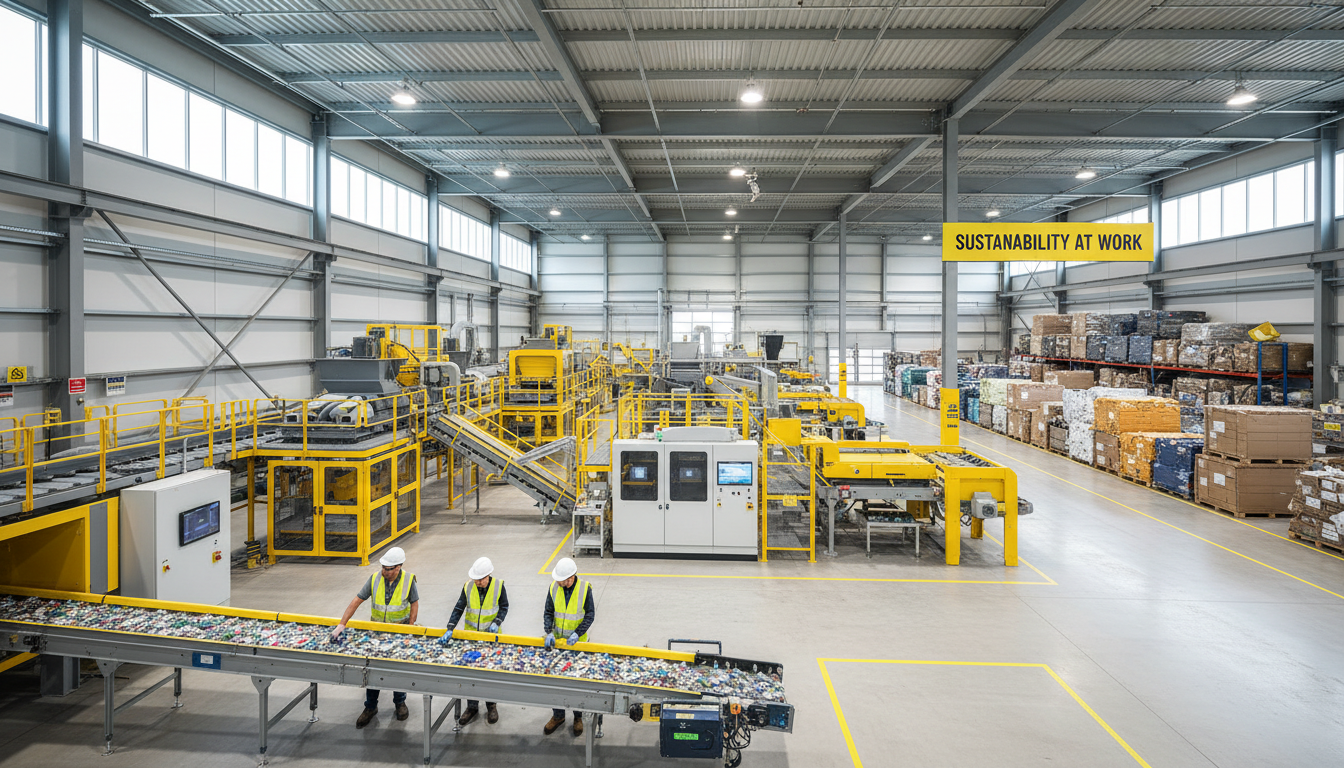
One of the most significant trends is the shift towards a circular economy. Unlike the traditional linear economy, which follows a "take, make, dispose" model, a circular economy aims to minimize waste and make the most of resources. This approach not only helps in reducing environmental impact but also promotes economic growth by creating new business opportunities.
The Rise of Green Finance
Another crucial trend is the rise of green finance, which involves investing in projects and companies that are committed to environmental sustainability. Green bonds, for example, are becoming increasingly popular as they provide funding for initiatives like renewable energy projects and pollution control measures. This shift is supported by growing consumer demand for sustainable investment options.
Investors are now more aware of the environmental and social impact of their portfolios. As a result, Environmental, Social, and Governance (ESG) criteria are being integrated into investment decisions, pushing companies to adopt sustainable practices. This trend is not only beneficial for the planet but also for long-term financial returns.

Technological Innovations
Technology plays a pivotal role in advancing sustainable economics. Innovations in areas such as renewable energy, waste management, and sustainable agriculture are transforming industries. For instance, the development of more efficient solar panels and wind turbines is making renewable energy more accessible and affordable.
Additionally, digital technologies like blockchain and the Internet of Things (IoT) are being used to enhance transparency and efficiency in supply chains. These technologies enable companies to track resources and minimize waste, ensuring that sustainability is integrated at every stage of production.

Government Policies and Regulations
Governments worldwide are implementing policies and regulations to promote sustainable economic practices. Carbon pricing, for example, is a tool used to encourage businesses to reduce their greenhouse gas emissions. By putting a price on carbon, companies are incentivized to adopt cleaner technologies and reduce their carbon footprint.
Furthermore, international agreements like the Paris Agreement are fostering global collaboration to combat climate change. These policies are crucial in driving systemic change and ensuring a sustainable future for all.

Consumer Awareness and Behavior
Lastly, consumer awareness and behavior are playing a significant role in shaping sustainable economics. More consumers are prioritizing eco-friendly products and services, leading companies to reevaluate their offerings. This shift in demand is encouraging businesses to adopt sustainable practices and develop products that are both environmentally and socially responsible.
As a result, sustainability is no longer just a trend but a fundamental aspect of economic strategy. Companies that fail to adapt may find themselves at a competitive disadvantage in an increasingly eco-conscious market.

In conclusion, sustainable economics is not just about protecting the environment; it's about creating a viable future where economic growth and sustainability go hand in hand. By understanding and embracing these trends, businesses and individuals can contribute to a more sustainable world.