Top Trends in Sustainable Economics: What to Watch For


Understanding Sustainable Economics
As the global community becomes increasingly aware of environmental and social challenges, sustainable economics is emerging as a key focus area. This approach seeks to balance economic growth with the planet's ecological boundaries and societal well-being. By integrating sustainability into economic practices, businesses and governments can drive innovation and long-term prosperity.
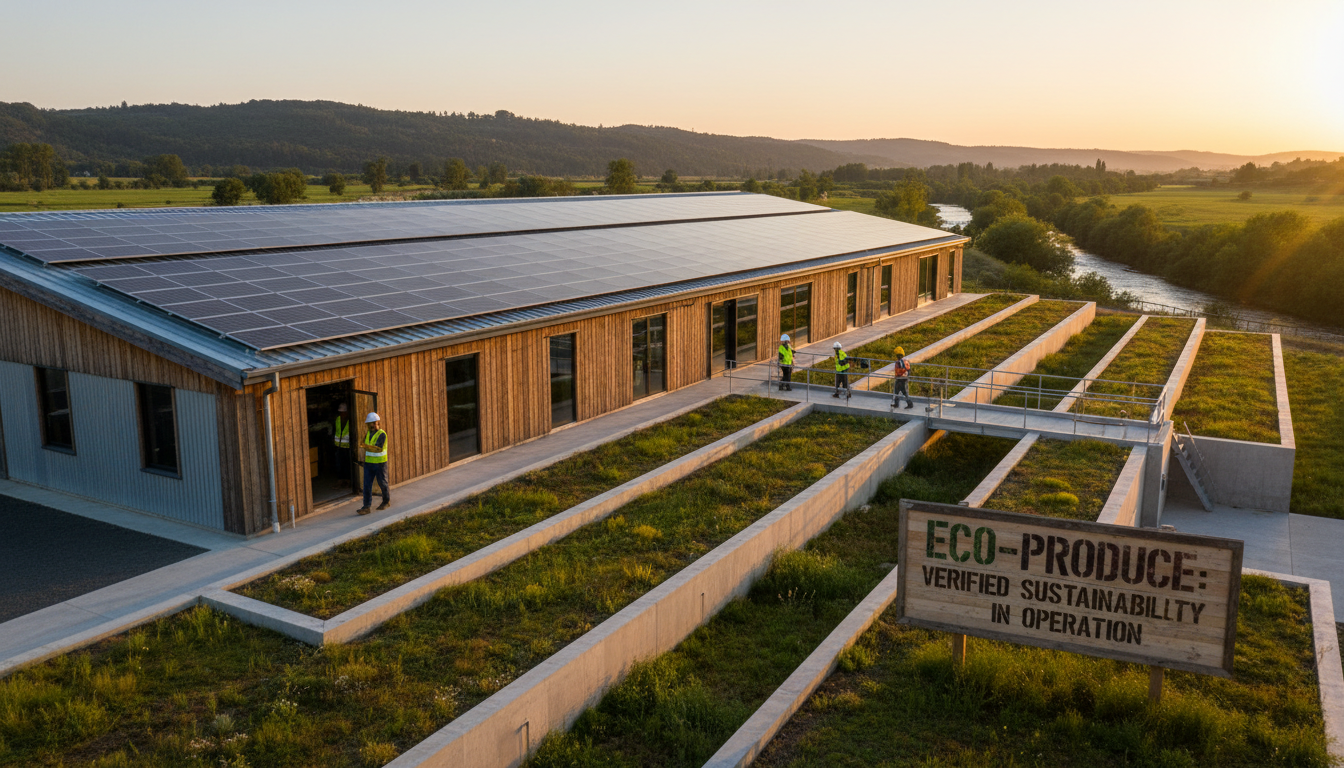
Renewable Energy Investment
One of the most significant trends in sustainable economics is the surge in investment in renewable energy. With advancements in technology, the cost of solar, wind, and other renewable sources has decreased dramatically, making them more accessible and economically viable. Governments and corporations are increasingly committing to renewable energy projects, which not only reduce carbon footprints but also create jobs and stimulate economic growth.
In addition to traditional renewables, emerging technologies like hydrogen energy and ocean power are gaining attention. These innovations offer new opportunities for sustainable development and energy independence.
Circular Economy Practices
The circular economy is another critical trend gaining momentum. Unlike the traditional linear economy, which follows a "take, make, dispose" model, the circular economy focuses on reusing and recycling resources to extend their lifecycle. This approach reduces waste, conserves resources, and fosters innovation in product design and business models.
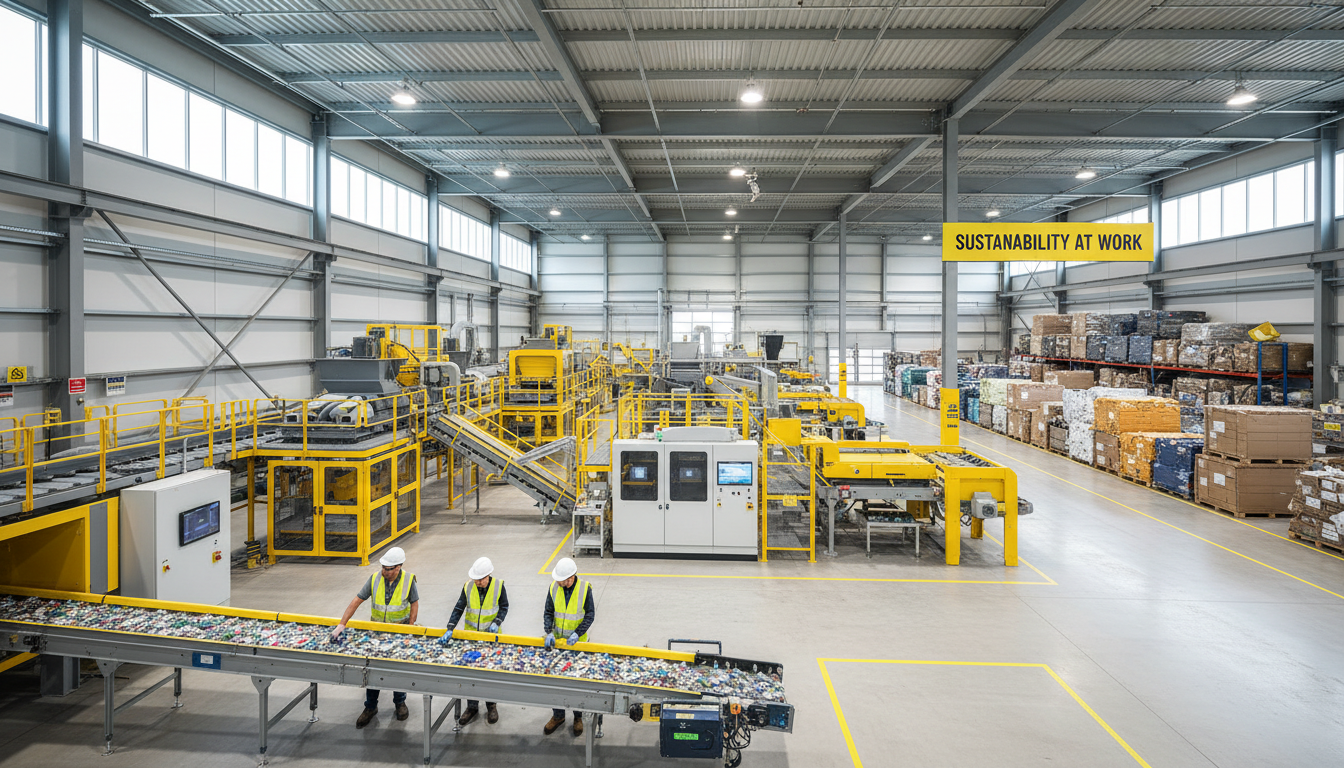
Businesses are increasingly adopting circular practices, such as refurbishing products, using recycled materials, and designing for durability. These strategies not only enhance sustainability but also improve competitiveness and resilience in the market.
Socially Responsible Investing
Investors are becoming more conscious of the social and environmental impacts of their portfolios. Socially responsible investing (SRI) focuses on companies that adhere to ethical and sustainable practices. This trend is driven by a growing demand for transparency and accountability, as well as the recognition that sustainable companies often outperform their peers over the long term.
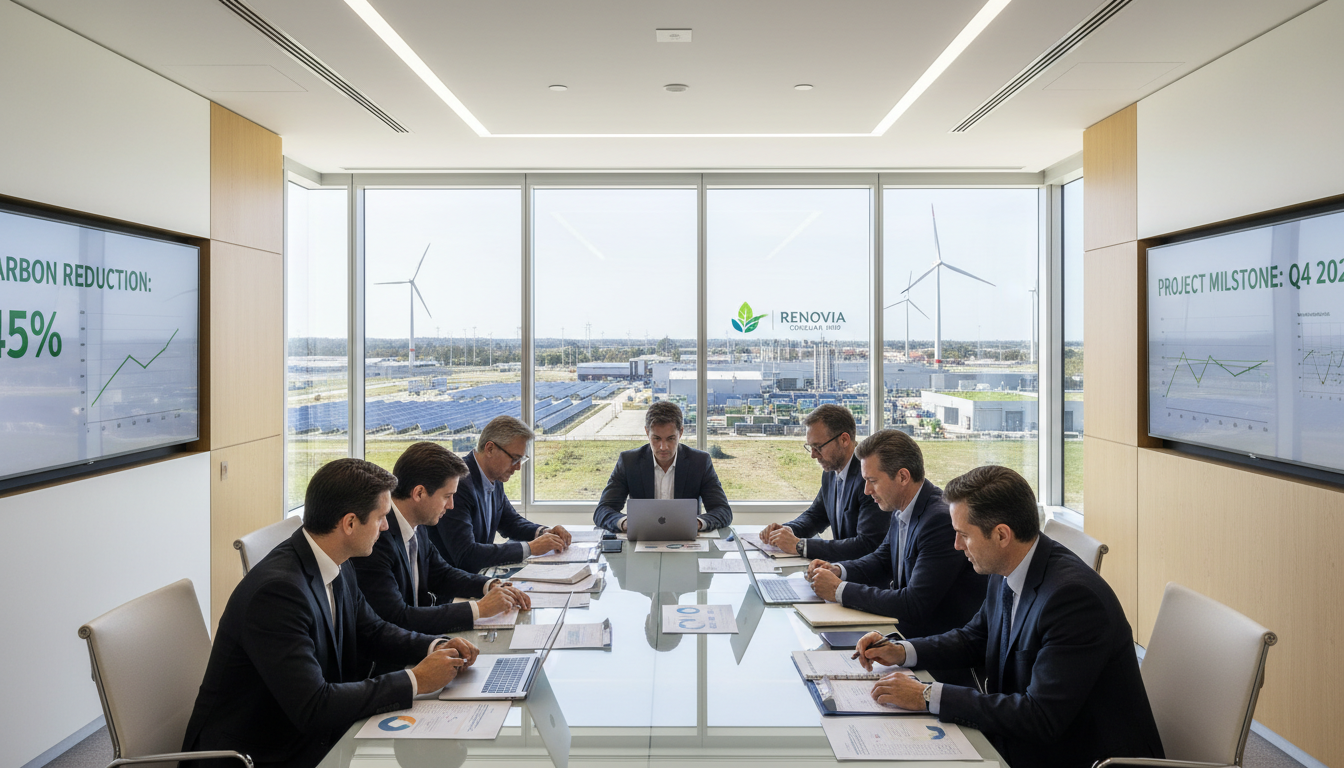
Investment firms are developing new tools and metrics to evaluate the sustainability of their holdings, making it easier for investors to align their financial goals with their values. This shift is reshaping capital markets and encouraging more companies to adopt sustainable practices.
Policy and Regulation Changes
Governments around the world are implementing policies to promote sustainable economic practices. From carbon pricing to green subsidies, these regulations aim to incentivize businesses to reduce their environmental impact. Policy changes often drive innovation and can create a level playing field for businesses committed to sustainability.
As regulations evolve, businesses must stay informed and adapt to new requirements. Proactively engaging with policymakers and participating in sustainability initiatives can help organizations influence the regulatory landscape and gain a competitive edge.

In conclusion, the top trends in sustainable economics reflect a growing recognition of the need to harmonize economic growth with environmental stewardship and social responsibility. By embracing these trends, businesses and investors can contribute to a more sustainable future while reaping economic benefits.