The Fundamentals of Sustainable Economics: A Comprehensive Guide


Introduction to Sustainable Economics
Sustainable economics is an approach that seeks to balance economic growth, environmental health, and social well-being. As the world grapples with challenges like climate change and resource depletion, understanding sustainable economics becomes crucial. It's about creating systems that are not only profitable but also environmentally and socially responsible.

Principles of Sustainable Economics
At its core, sustainable economics is built on several key principles. These include the efficient use of resources, minimizing waste, and fostering innovation that aligns with environmental and social goals. By adhering to these principles, businesses and governments can drive sustainable growth.
Efficient Resource Use
Efficiency in resource use means maximizing output while minimizing input. This involves optimizing processes, reducing waste, and conserving energy. Companies can achieve this through technologies that enhance productivity and reduce environmental impact.

Minimizing Waste
Minimizing waste is central to sustainable economics. This principle encourages recycling, reusing materials, and designing products with a longer lifespan. By reducing waste, we can lower our environmental footprint and contribute to a healthier planet.
Economic Models Supporting Sustainability
Several economic models support the transition to sustainability. These include the circular economy, green economy, and sharing economy. Each model offers unique strategies to achieve sustainability.
Circular Economy
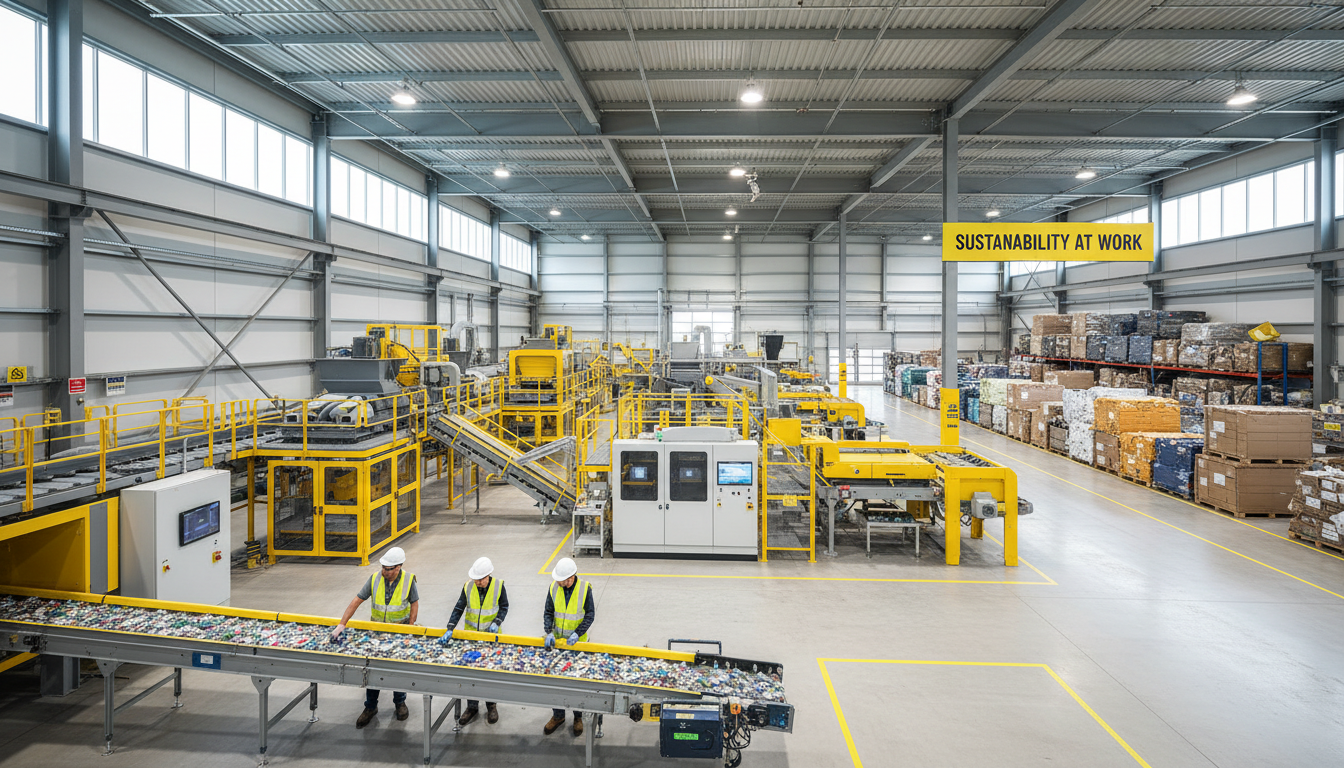
The circular economy promotes a closed-loop system where products are reused, repaired, and recycled. This model reduces the need for new resources and minimizes waste, making it a cornerstone of sustainable economics.
Green Economy
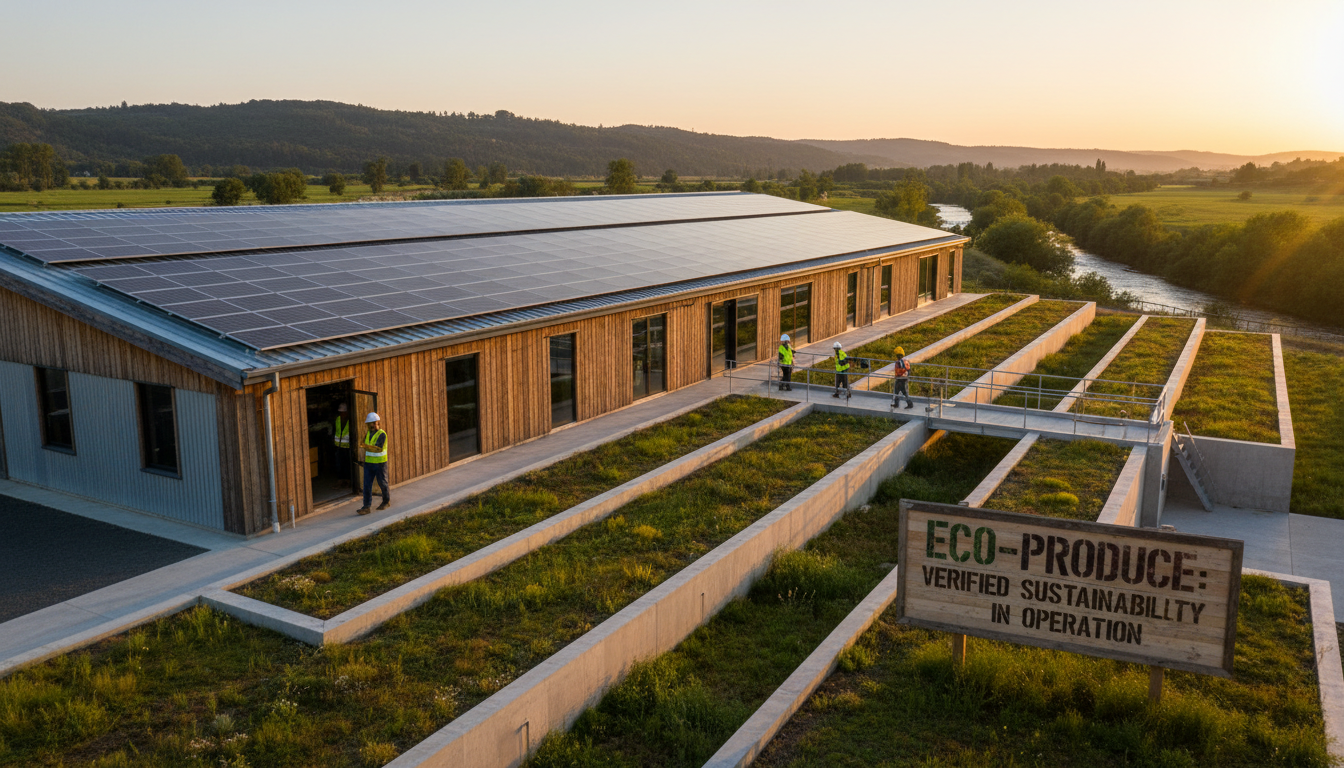
The green economy focuses on reducing carbon emissions and investing in renewable energy. It emphasizes the importance of creating jobs and driving growth while preserving the environment. Governments and businesses adopting this model can achieve sustainable economic development.
Challenges and Opportunities
While sustainable economics offers numerous benefits, it also presents challenges. Transitioning from traditional economic models requires significant investment and changes in policy and consumer behavior. However, these challenges also present opportunities for innovation and leadership in sustainability.
By embracing sustainable economics, businesses can enhance their brand reputation, tap into new markets, and ensure long-term profitability. Consumers increasingly value sustainability, making it an essential component of modern business strategy.
Conclusion
Sustainable economics is not just a trend; it's a necessity for the future. By understanding and implementing its principles, we can create a world that is prosperous, equitable, and environmentally stable. As stakeholders in the global economy, we must work together to promote and adopt sustainable practices for a better tomorrow.