Sustainable Economics vs. Traditional Economics: A Comparative Analysis


Understanding Sustainable Economics
Sustainable economics is an approach that integrates environmental, social, and economic considerations to create a more balanced and equitable system. Unlike traditional economics, which often prioritizes short-term profits, sustainable economics aims for long-term viability by ensuring resources are available for future generations. This approach acknowledges the finite nature of natural resources and the need for responsible consumption.
The Core Principles of Sustainable Economics
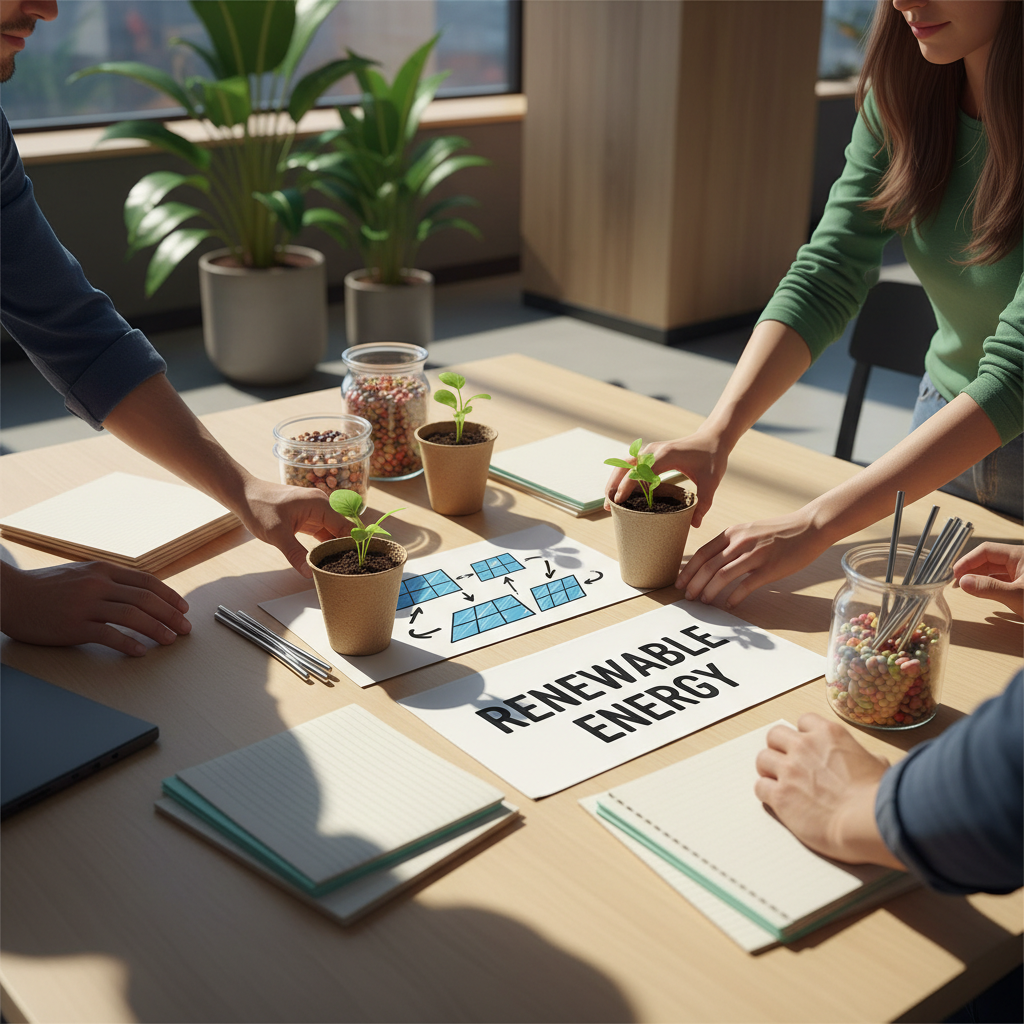
Sustainable economics is built on several key principles. These include the responsible use of resources, minimizing waste, and promoting social equity. By focusing on these areas, sustainable economics seeks to reduce the environmental impact of economic activities while fostering a more equitable distribution of wealth and opportunities. This holistic view challenges the traditional economic focus on growth at all costs.
Traditional Economics: A Brief Overview
Traditional economics, on the other hand, is often characterized by its focus on growth, efficiency, and profit maximization. It operates under the assumption that resources are abundant and that technological advancements can overcome any limitations. This approach has led to significant economic growth and development, but it has also contributed to environmental degradation and social inequalities.
The Limitations of Traditional Economics
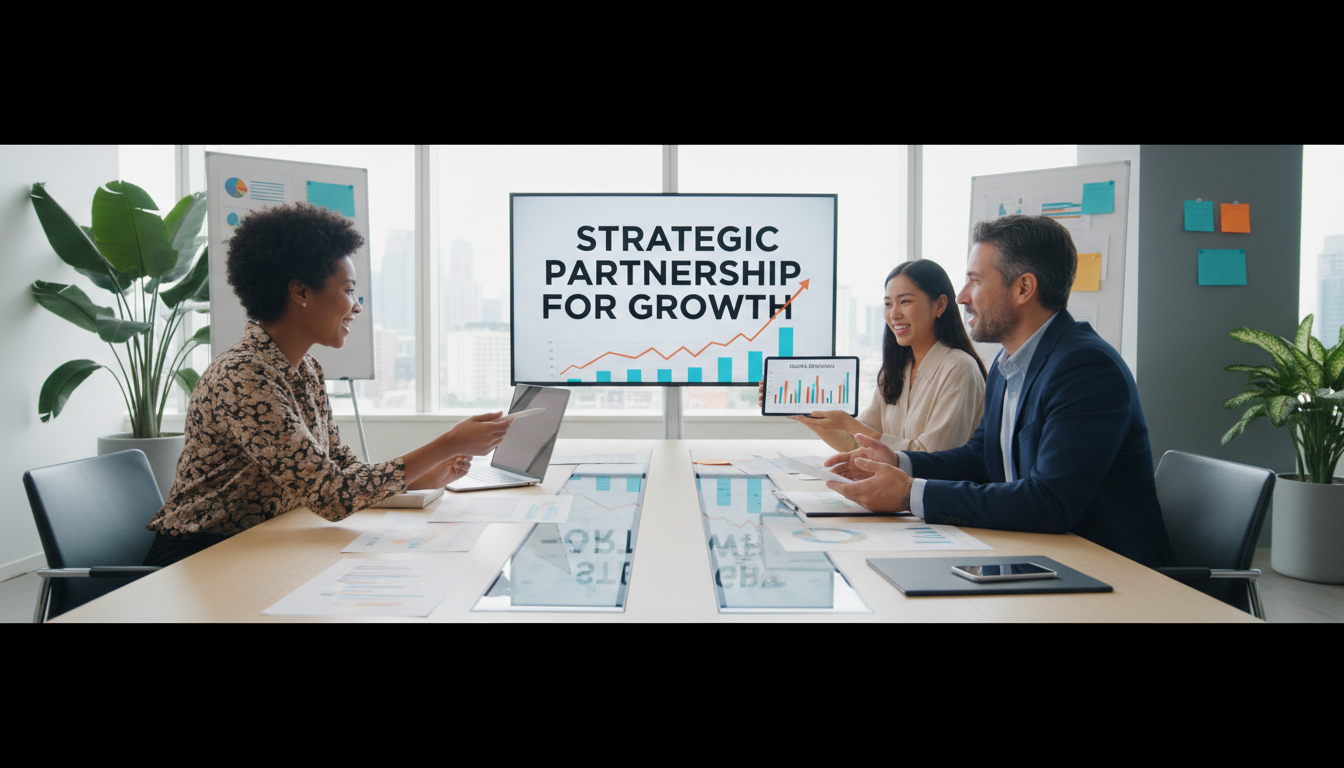
While traditional economics has driven significant progress, it has also faced criticism for its shortcomings. The relentless pursuit of growth often overlooks environmental costs, leading to issues like climate change and resource depletion. Additionally, the focus on efficiency and profit can exacerbate social inequalities, leaving marginalized communities behind. These challenges highlight the need for a more sustainable approach to economic development.
Comparative Analysis: Sustainable vs. Traditional Economics
When comparing sustainable and traditional economics, several key differences emerge. Sustainable economics prioritizes long-term sustainability, while traditional economics often emphasizes short-term gains. Additionally, sustainable economics considers environmental and social impacts, whereas traditional economics may overlook these factors in favor of growth. These distinctions underscore the need for a shift in how we approach economic development.
The Role of Policy and Innovation
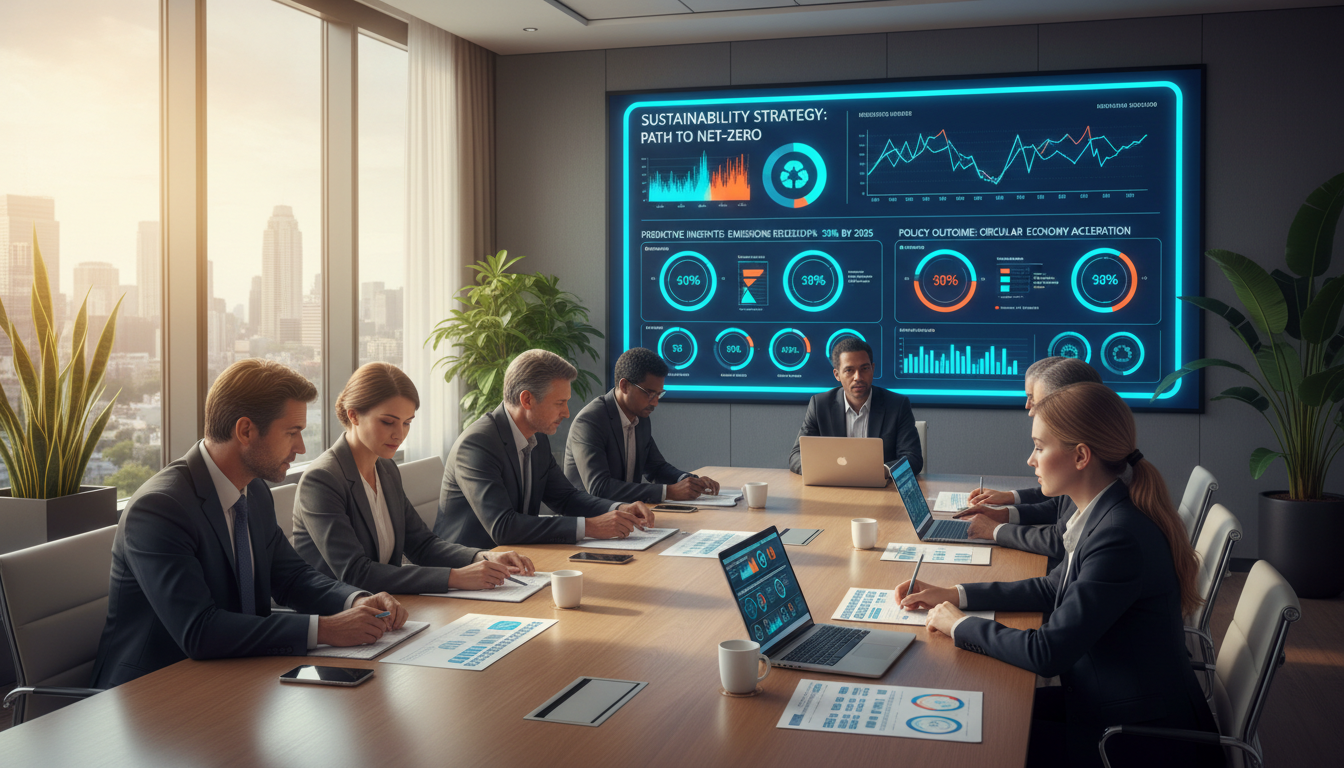
Policy and innovation play crucial roles in bridging the gap between sustainable and traditional economics. Governments can implement regulations and incentives that promote sustainable practices, while businesses can innovate to reduce their environmental footprint. Public awareness and consumer demand for sustainable products also drive change, pushing industries to adopt more sustainable practices.
The Future of Economic Development
The future of economic development lies in finding a balance between sustainable and traditional approaches. By integrating the strengths of both, societies can achieve economic growth that is environmentally responsible and socially equitable. This requires collaboration across sectors, innovative thinking, and a commitment to long-term sustainability.
Conclusion: Embracing a Sustainable Future
Sustainable economics offers a promising alternative to traditional economic models by addressing the environmental and social challenges of our time. As awareness grows and more stakeholders commit to sustainable practices, the potential for a more equitable and resilient economic system increases. Embracing this approach is essential for ensuring a prosperous future for all.