Sustainable Economics in the United States: Local Innovations and Impact


Understanding Sustainable Economics
Sustainable economics is a growing movement in the United States, aiming to balance economic growth with environmental stewardship and social equity. This approach seeks to meet the needs of the present without compromising the ability of future generations to meet their own needs. The shift towards sustainable practices is not only a response to environmental concerns but also a strategic economic decision.
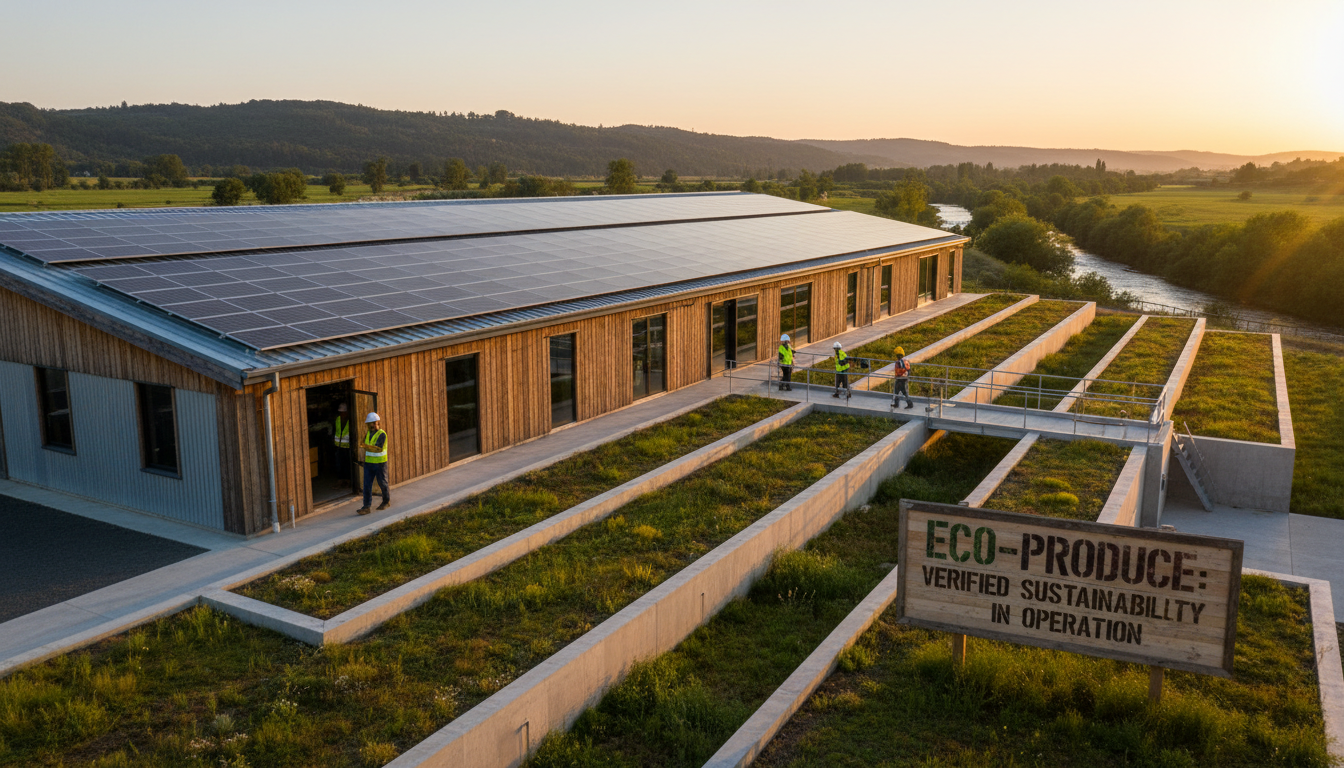
Local innovations are at the heart of this transformation, as communities across the country adopt new methods and technologies to promote sustainability. These efforts often involve collaboration among businesses, government entities, and local residents, fostering a shared vision for a more sustainable future.
Community-Driven Initiatives
In many areas, community-driven initiatives are leading the charge towards sustainable economics. These initiatives often focus on reducing carbon footprints, promoting renewable energy, and enhancing local food systems. By prioritizing sustainability, communities can create jobs, support local businesses, and improve the overall quality of life.
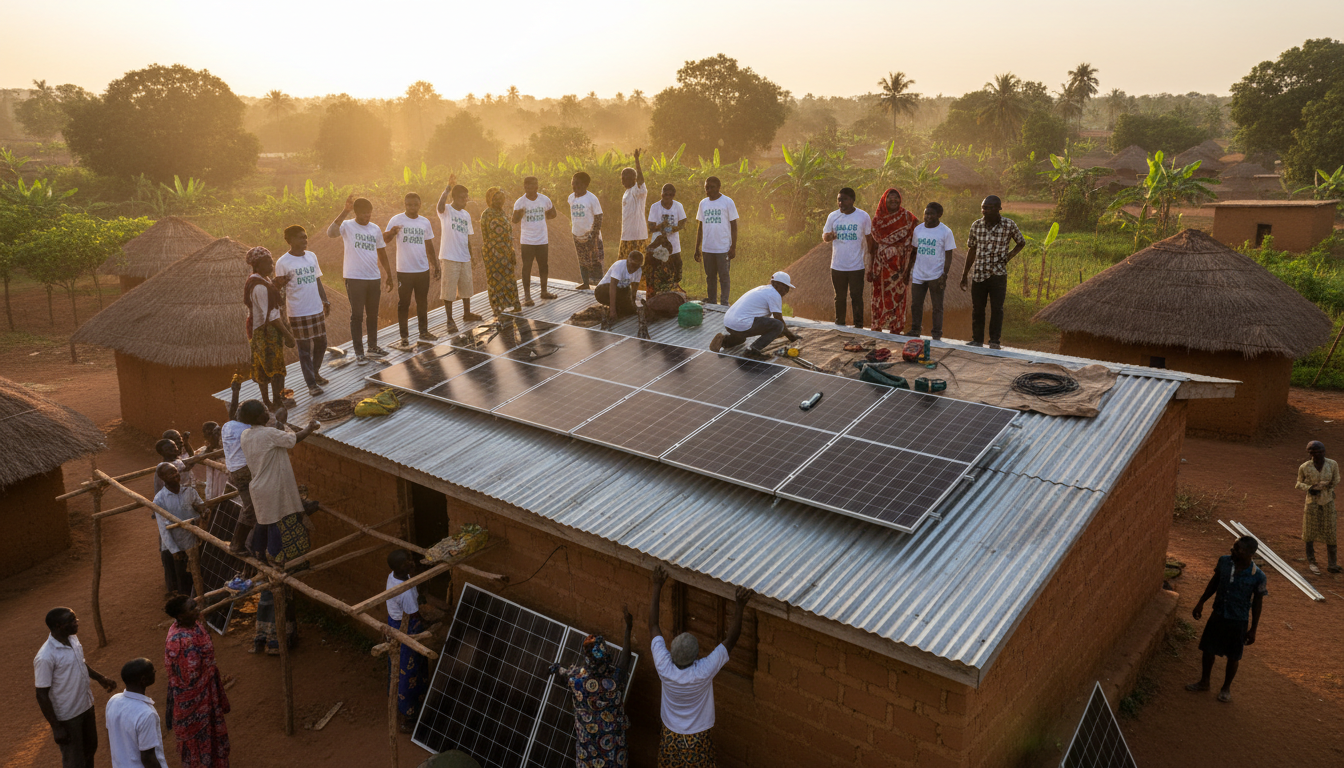
For instance, some towns have implemented community solar projects, allowing residents to share in the benefits of renewable energy without the need for individual installations. Such projects not only reduce energy costs but also foster a sense of community engagement and empowerment.
Local Food Systems
Another area of innovation is the development of local food systems. By supporting local farmers and producers, communities can reduce their reliance on imported goods, lower transportation emissions, and ensure access to fresh, healthy food. Farmers' markets, community-supported agriculture (CSA) programs, and urban farming are all part of this movement.
- Farmers' Markets: Provide direct access to locally grown produce and products.
- CSA Programs: Allow consumers to subscribe to regular deliveries of local farm goods.
- Urban Farming: Utilizes city spaces to grow food, often employing sustainable techniques.

Impact on the Economy
The impact of sustainable economics extends beyond environmental benefits. By fostering innovation and supporting local industries, sustainable practices can drive economic growth. This approach often leads to the creation of green jobs, which are crucial for building a resilient workforce in the face of global economic shifts.
Moreover, sustainable economics encourages businesses to adopt more efficient practices, reducing waste and cutting costs. This not only benefits the environment but also enhances profitability and competitiveness in the global market.
Challenges and Opportunities
Despite the many benefits, transitioning to a sustainable economy is not without challenges. Economic disparities, regulatory hurdles, and resistance to change can hinder progress. However, these challenges also present opportunities for innovation and collaboration.
By investing in education and training, supporting policy changes, and fostering public-private partnerships, communities can overcome these obstacles and continue to advance sustainable economic practices.
In conclusion, sustainable economics in the United States is driven by local innovations that have a significant impact on both community well-being and the broader economy. As more communities embrace these principles, the potential for a sustainable and prosperous future becomes increasingly attainable.