Seasonal Sustainability: Preparing Your Business for Eco-Friendly Success


Understanding Seasonal Sustainability
As businesses strive to become more eco-friendly, integrating sustainability into seasonal operations can lead to significant benefits. Seasonal sustainability involves adapting your business practices to align with environmental goals throughout the year. By doing so, you not only contribute to environmental conservation but also appeal to the growing number of eco-conscious consumers.

Embrace Seasonal Changes
Every season presents unique opportunities and challenges. By planning ahead, businesses can adapt their strategies to reduce waste and resource consumption. For example, in the winter, consider energy-efficient heating solutions, while in the summer, focus on reducing water usage. These adjustments can lead to cost savings and a smaller carbon footprint.
Implement Green Marketing Strategies
Green marketing is about communicating your sustainability efforts to your audience. Highlight your eco-friendly practices in seasonal promotions and campaigns. Use recycled materials for marketing materials and digital channels to minimize environmental impact. This not only enhances your brand reputation but also attracts environmentally-conscious consumers.

Optimize Supply Chain Management
A sustainable supply chain is crucial for seasonal sustainability. Work with suppliers who prioritize eco-friendly practices and materials. Evaluate your supply chain to identify areas where you can reduce waste and improve efficiency. A collaborative approach ensures that your entire business ecosystem supports your sustainability goals.
Encourage Employee Participation
Your team is a vital part of your sustainability efforts. Encourage employees to participate in eco-friendly initiatives, such as recycling programs or carpooling. Provide training and resources to help them understand the importance of sustainability and how they can contribute. Engaged employees can drive significant change.
Monitor and Report Progress
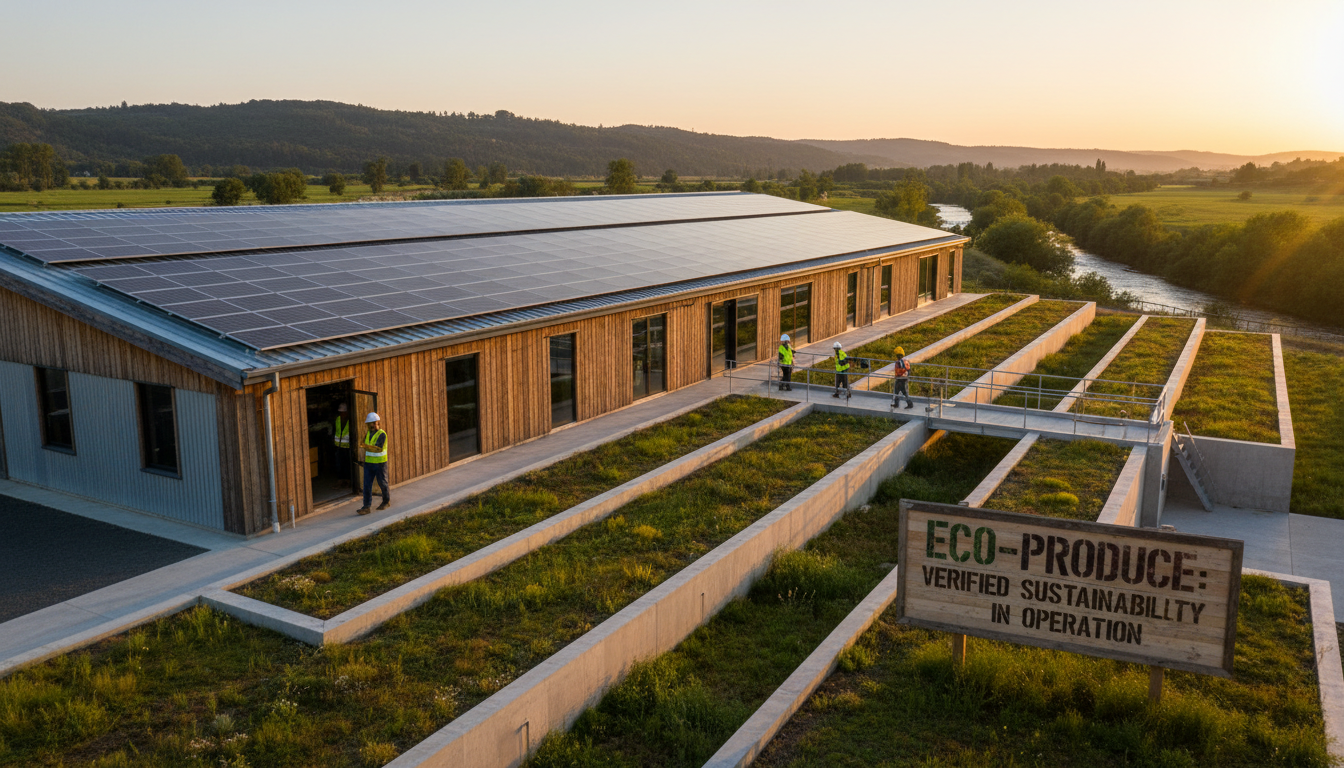
Tracking your progress is essential for sustainable success. Use metrics to measure the impact of your initiatives, such as energy consumption, waste reduction, and customer engagement. Regularly report these findings to stakeholders to demonstrate your commitment to sustainability and identify areas for improvement.
Prepare for Future Trends
The landscape of sustainability is continuously evolving. Stay informed about new trends and technologies that can enhance your eco-friendly efforts. Implementing innovative solutions not only keeps you ahead of the competition but also ensures long-term success in a rapidly changing world.
Conclusion
Seasonal sustainability is about integrating eco-friendly practices throughout the year, ensuring that your business remains resilient and responsible. By embracing seasonal changes, optimizing supply chains, engaging employees, and staying informed on trends, you pave the way for sustainable success. Start today and lead your business toward a greener future.