Preparing for a Sustainable Future: Seasonal Tips and Strategies
Understanding Seasonal Sustainability
As we strive towards a more sustainable future, it's essential to recognize the impact of seasonal changes on our environment and daily lives. By aligning our habits with the natural rhythms of the year, we can significantly reduce our ecological footprint. This approach not only benefits the planet but also enhances our well-being and resilience.
Each season presents unique opportunities and challenges for sustainability. By understanding these, we can implement effective strategies to minimize waste and maximize resource efficiency. From winter's energy-saving techniques to summer's water conservation methods, every season offers valuable lessons.

Winter: Energy Conservation
Optimizing Heating and Insulation
During winter, heating demands increase, which can lead to higher energy consumption. To counter this, focus on improving your home's insulation. Seal gaps around windows and doors to prevent heat loss. Investing in energy-efficient windows can also make a significant difference.
Smart Thermostat Utilization
Installing a smart thermostat is an excellent way to manage your heating efficiently. It allows you to schedule temperature changes according to your routine, ensuring energy is not wasted. Additionally, consider lowering the thermostat a few degrees during the night or when you're not at home.
Spring: Embrace Renewal
Eco-Friendly Cleaning Solutions
Spring is synonymous with cleaning and renewal. Opt for eco-friendly cleaning products to reduce the use of harmful chemicals. Natural solutions like vinegar and baking soda are effective and safe alternatives for most cleaning tasks.
This is also an ideal time to declutter and recycle unwanted items. Donate or repurpose goods to minimize landfill waste. Organizing a community swap event can be a fun and sustainable way to exchange items you no longer need.

Summer: Water Conservation
Implementing Efficient Irrigation
With summer comes increased water usage, especially for gardening and landscaping. Implementing efficient irrigation systems, such as drip irrigation, can significantly reduce water waste. Water your garden during the cooler parts of the day to minimize evaporation.
Reducing Indoor Water Use
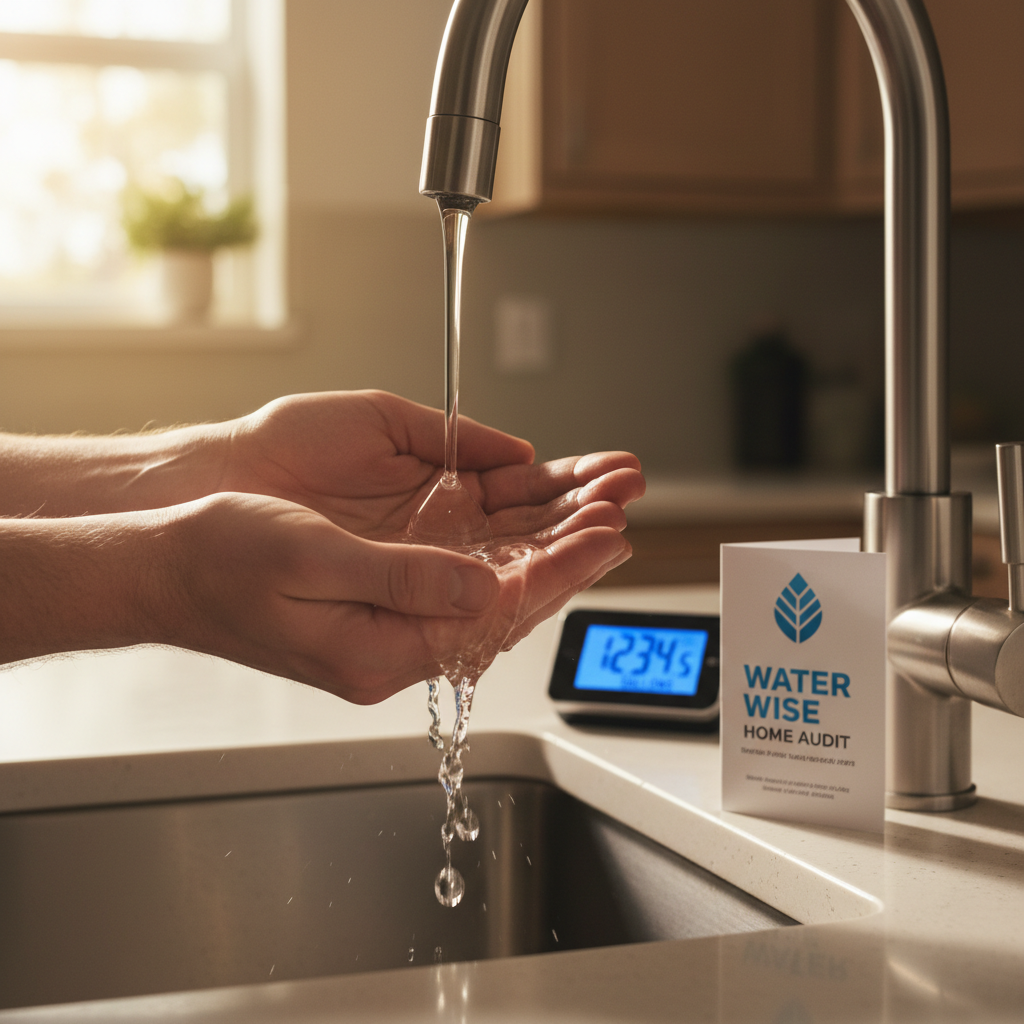
Inside the home, simple changes can also lead to substantial water savings. Fix leaky faucets and install low-flow showerheads and toilets. Encourage shorter showers and educate family members about the importance of water conservation.
Autumn: Preparing for Change
Harvesting and Preserving
Autumn is the time to harvest and preserve the bounty of your garden. Canning, freezing, and drying fruits and vegetables ensure a sustainable food supply throughout the colder months. This practice reduces reliance on store-bought goods and decreases packaging waste.
Composting and Soil Enrichment
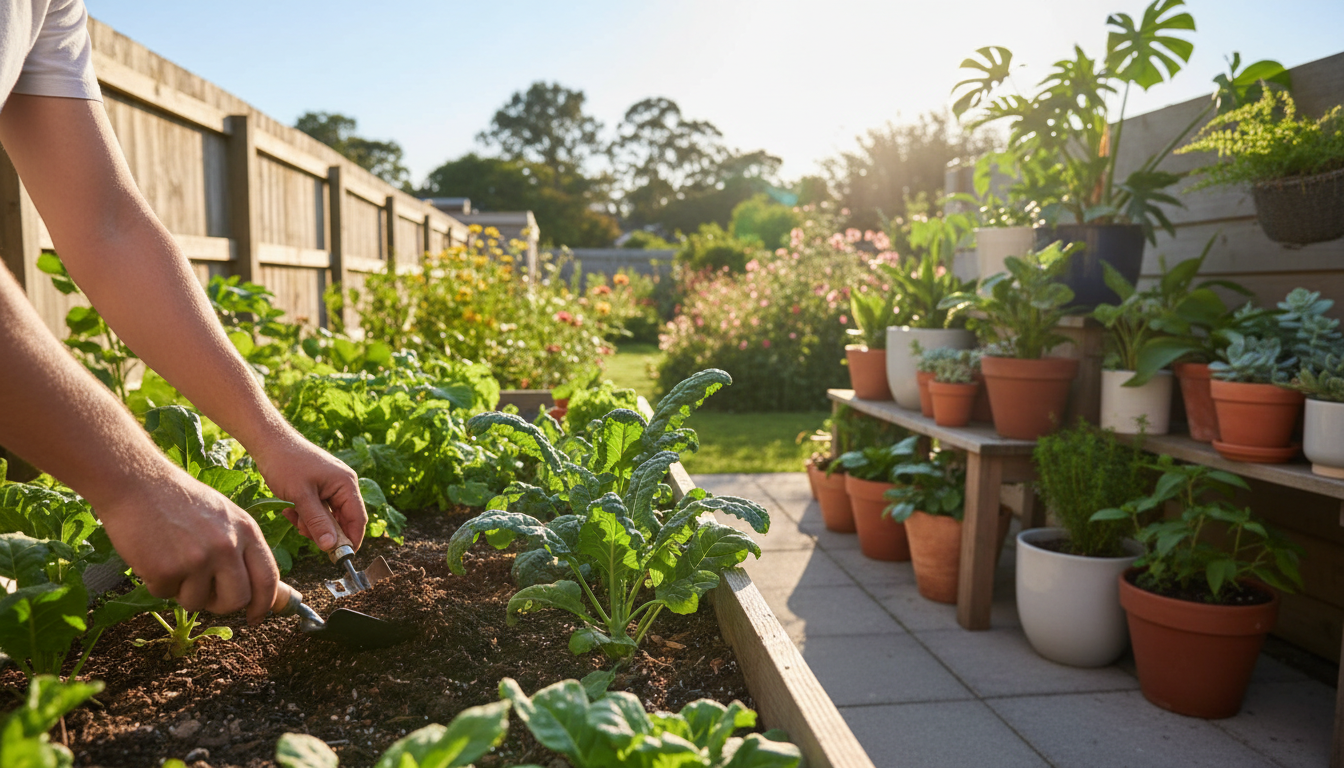
As leaves fall, take advantage of this natural resource by composting. Composting enriches the soil and reduces the need for chemical fertilizers. Turn fallen leaves and other organic waste into nutrient-rich compost to prepare your garden for the next growing season.
The Path Forward
By incorporating these seasonal strategies into our lives, we can make meaningful strides towards a sustainable future. These practices not only conserve resources but also foster a deeper connection with the natural world. As we adapt to the changing seasons, let's commit to making choices that benefit both our planet and future generations.