Innovative Trends in Sustainable Economics: What to Watch For


Understanding Sustainable Economics
The concept of sustainable economics is gaining traction as businesses and governments recognize the need to balance economic growth with environmental preservation. This approach aims to meet present needs without compromising the ability of future generations to meet their own. By integrating sustainability into economic strategies, we can foster a more resilient and equitable global economy.
In recent years, several innovative trends have emerged, shaping the landscape of sustainable economics. These trends are not only setting new standards for eco-friendly practices but are also opening doors to lucrative opportunities for investors and entrepreneurs.

The Rise of Circular Economy Models
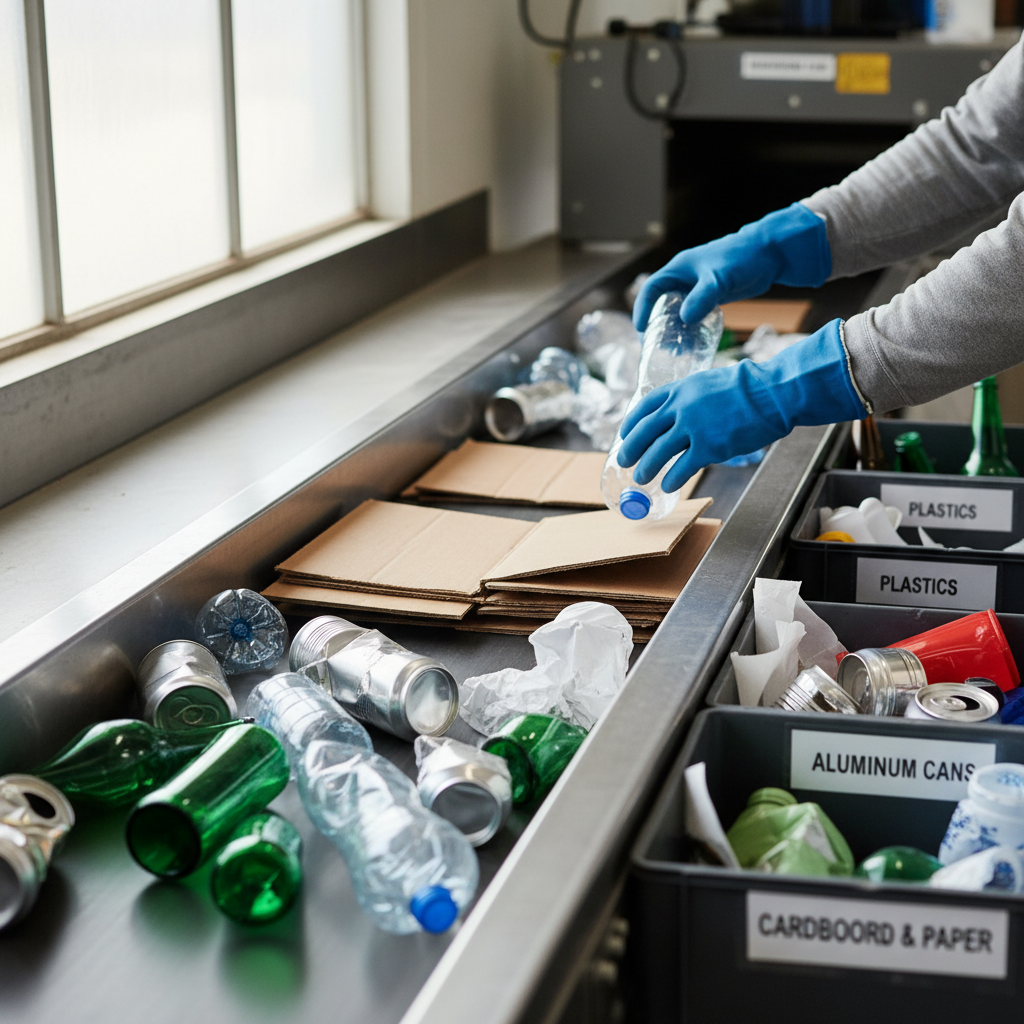
One of the most significant trends in sustainable economics is the shift from linear to circular economy models. Unlike traditional models that follow a 'take, make, dispose' approach, circular models emphasize resource efficiency by closing the loop. This involves recycling, reusing, and refurbishing materials to minimize waste.
For instance, companies are designing products with longevity and recyclability in mind. This transition not only reduces environmental impact but also creates new business opportunities in sectors such as waste management and recycling technologies.
Key Benefits of Circular Economy
- Reduction in resource consumption and waste generation.
- Increased product lifespan and resource efficiency.
- Creation of new markets and job opportunities.
Technological Innovations Driving Sustainability
Technological advancements are playing a crucial role in promoting sustainable economic practices. Innovations such as artificial intelligence, blockchain, and the Internet of Things (IoT) are being leveraged to enhance transparency, efficiency, and accountability in various industries.
For example, blockchain technology is being used to trace the provenance of goods, ensuring ethical sourcing and reducing the carbon footprint of supply chains. Similarly, IoT devices are optimizing energy consumption in smart cities, contributing to significant reductions in greenhouse gas emissions.
Impact of Technology on Resource Management
The integration of technology in resource management is proving to be a game-changer. By utilizing data analytics, businesses can make informed decisions that not only boost their bottom line but also support environmental goals.

Investment in Renewable Energy
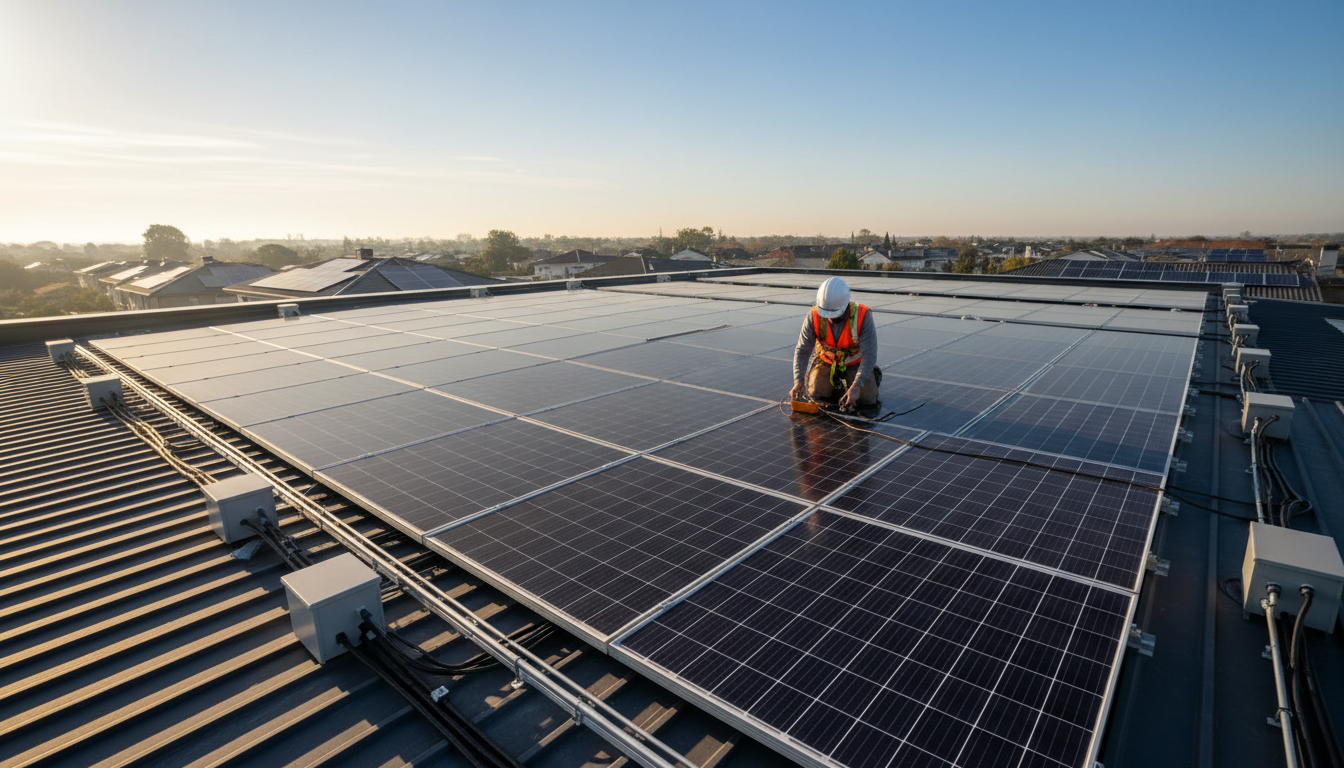
As the world shifts away from fossil fuels, investment in renewable energy sources continues to grow. Solar, wind, and hydroelectric power are at the forefront, providing cleaner, more sustainable options for energy production. These sources are not only environmentally friendly but also increasingly cost-competitive.
Governments and private investors are recognizing the potential of renewable energy, leading to significant policy changes and financial incentives aimed at accelerating its adoption. This trend is expected to continue, further reducing reliance on non-renewable resources.
Benefits of Renewable Energy Investments
- Reduction in greenhouse gas emissions.
- Energy independence and security.
- Economic growth through job creation in new sectors.
Conclusion: Embracing Sustainable Economic Practices
As we look to the future, it's clear that sustainable economics will play a vital role in shaping the global economy. By understanding and embracing the innovative trends in this field, businesses and governments can drive positive change, ensuring long-term prosperity and environmental health.
Staying informed about these trends and actively participating in their development will be essential for those looking to make a meaningful impact in the world of sustainable economics. The time to act is now, and the opportunities are vast.