How Sustainable Economics Can Transform Local Communities


Understanding Sustainable Economics
Sustainable economics is a transformative approach that integrates ecological, social, and economic factors to create a balanced system. It prioritizes long-term environmental health and social equity, ensuring that economic growth does not come at the expense of the planet or marginalized communities. This approach is gaining traction as local communities seek ways to thrive in a rapidly changing world.
By focusing on sustainability, communities can foster resilience against global economic shifts. This resilience is crucial in maintaining local economies that are not only robust but also adaptable to change. It encourages local businesses to implement environmentally friendly practices and supports policies that promote sustainable resource management.
Empowering Local Economies
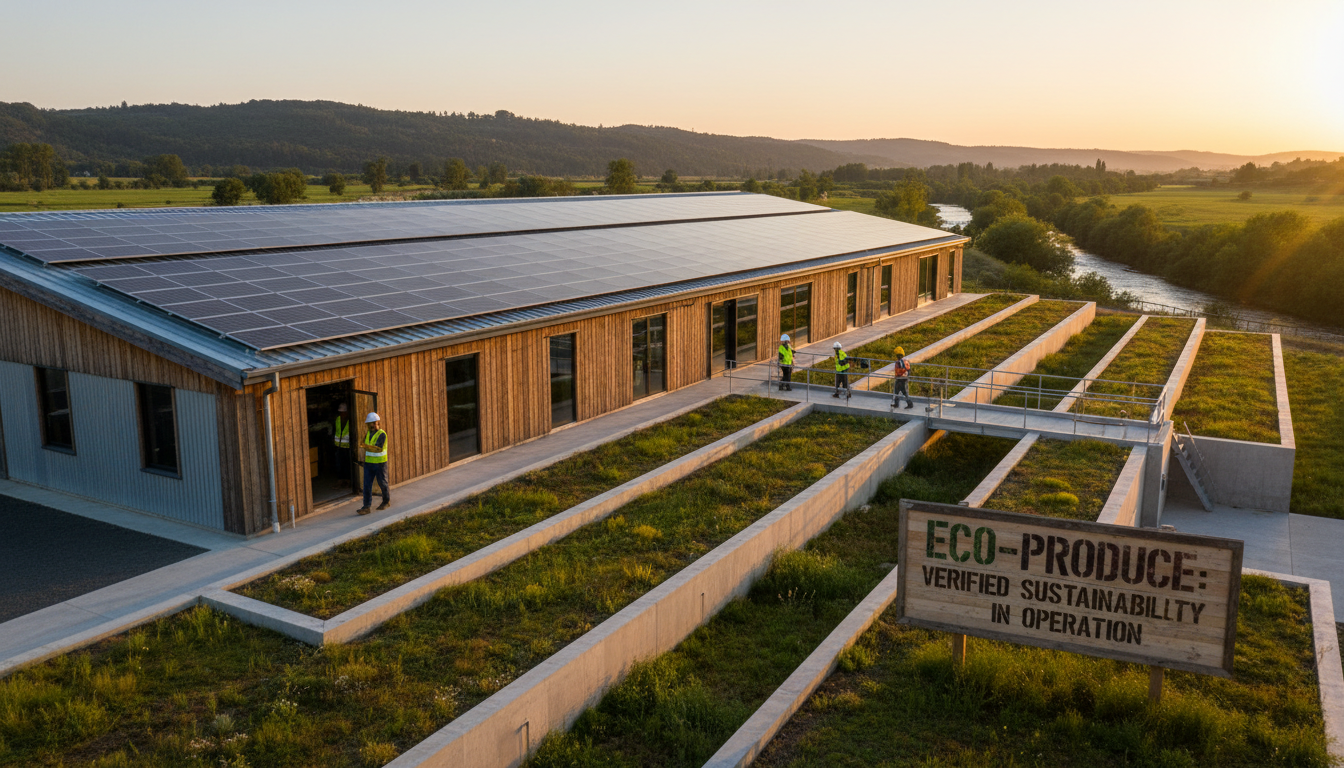
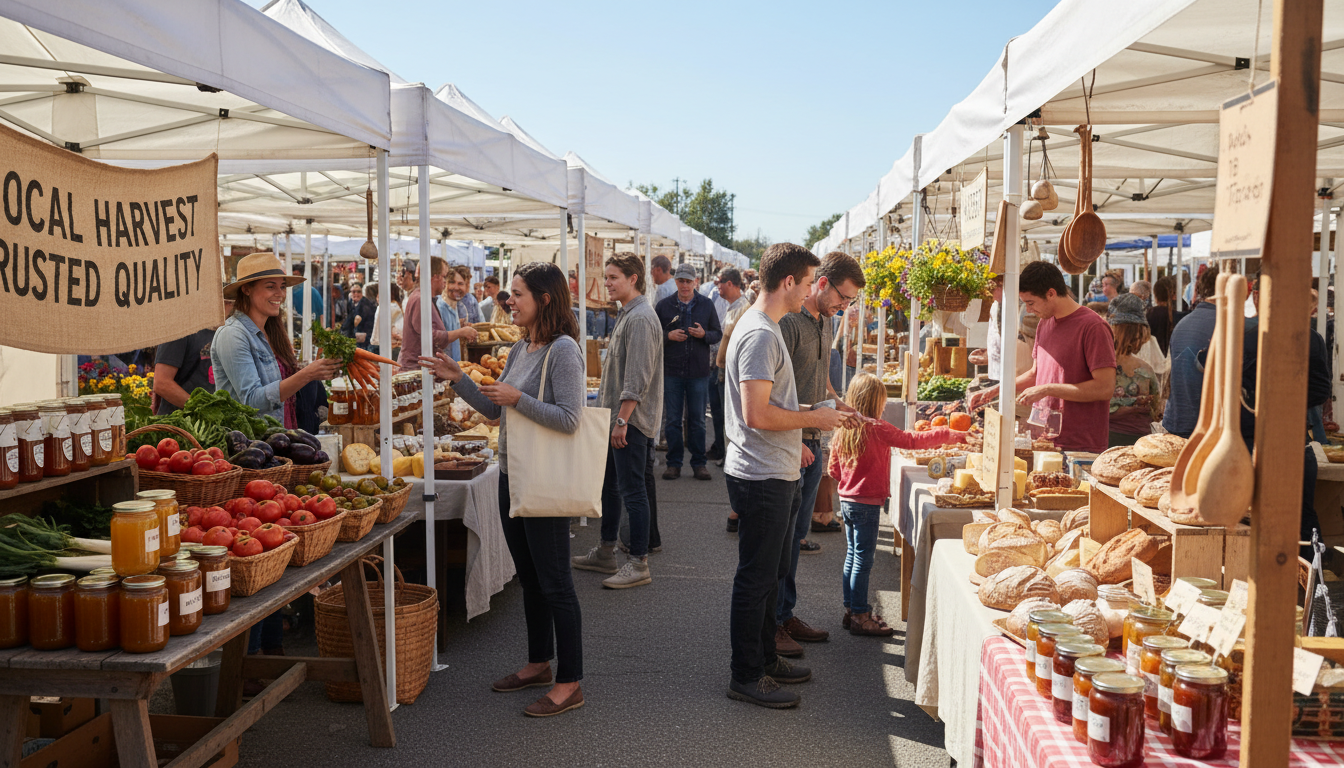
One of the key benefits of sustainable economics is the empowerment of local economies. By supporting local businesses and encouraging the use of local resources, communities can enhance their economic independence. This reduces reliance on external markets and creates a more stable economic environment.
Local production and consumption cycles can significantly reduce carbon footprints by minimizing transportation emissions. Additionally, investing in local agriculture and renewable energy initiatives can create jobs and stimulate economic growth, fostering a sense of community ownership and pride.
Encouraging Innovation and Entrepreneurship
Sustainable economics also opens the door for innovation and entrepreneurship. By focusing on sustainable practices, local entrepreneurs can develop new products and services that meet the demands of environmentally conscious consumers. This can lead to the development of green technologies and sustainable business models that can be replicated in other areas.
Communities that embrace sustainable economics often become hubs for innovation, attracting like-minded individuals and businesses. This creates a vibrant local economy that is resilient and forward-thinking, capable of adapting to future challenges.

Fostering Social Equity
Sustainable economics is not just about environmental and economic sustainability; it also emphasizes social equity. By addressing issues such as income inequality and access to resources, sustainable economics can help level the playing field for all community members.
Programs that promote education and skills development are essential in building a more equitable society. These initiatives ensure that everyone has the opportunity to participate in and benefit from the local economy, reducing poverty and enhancing quality of life.

Building Stronger Communities
When communities adopt sustainable economic practices, they often become more cohesive and resilient. By working together towards common goals, community members can build stronger relationships and networks. This sense of community is vital in times of crisis, providing support and resources to those in need.
Moreover, sustainable communities are attractive places to live, work, and visit. They offer a high quality of life, with clean environments, vibrant cultures, and active civic engagement. This not only retains local talent but also attracts new residents and businesses, further strengthening the local economy.

The Path Forward
Adopting sustainable economics requires a collective effort from individuals, businesses, and governments. Policies and incentives that support sustainable practices must be implemented, and education campaigns can raise awareness about the benefits of sustainable economics.
As more communities embrace this approach, the cumulative impact can lead to significant global change. By prioritizing sustainability, we can create local economies that are not only thriving but also capable of supporting future generations.
The transformation of local communities through sustainable economics is not only possible but essential for a sustainable future. By understanding and implementing these principles, communities can pave the way for a healthier, more equitable world.