How Sustainable Economics Can Transform Local Communities


Understanding Sustainable Economics
In recent years, the concept of sustainable economics has gained significant traction as communities seek ways to balance economic growth with environmental preservation. This approach emphasizes the use of resources in a way that meets the needs of the present without compromising the ability of future generations to meet their own needs. By integrating sustainability into economic planning, local communities can create a more resilient and thriving environment.

The Core Principles of Sustainable Economics
At the heart of sustainable economics are several key principles that guide decision-making processes. These include:
- Resource Efficiency: Utilizing resources in a way that maximizes their value while minimizing waste.
- Equity: Ensuring fair distribution of resources and opportunities across all community members.
- Long-term Planning: Considering the future impacts of economic decisions rather than focusing solely on short-term gains.
Resource Efficiency
Resource efficiency is a cornerstone of sustainable economics. By optimizing the use of resources, communities can reduce costs and minimize their environmental footprint. This involves adopting practices such as recycling, using renewable energy, and promoting energy-efficient technologies.

How Local Communities Benefit
Implementing sustainable economic practices offers numerous benefits to local communities. By focusing on sustainability, communities can enhance their economic stability and improve the quality of life for their residents.
Economic Stability
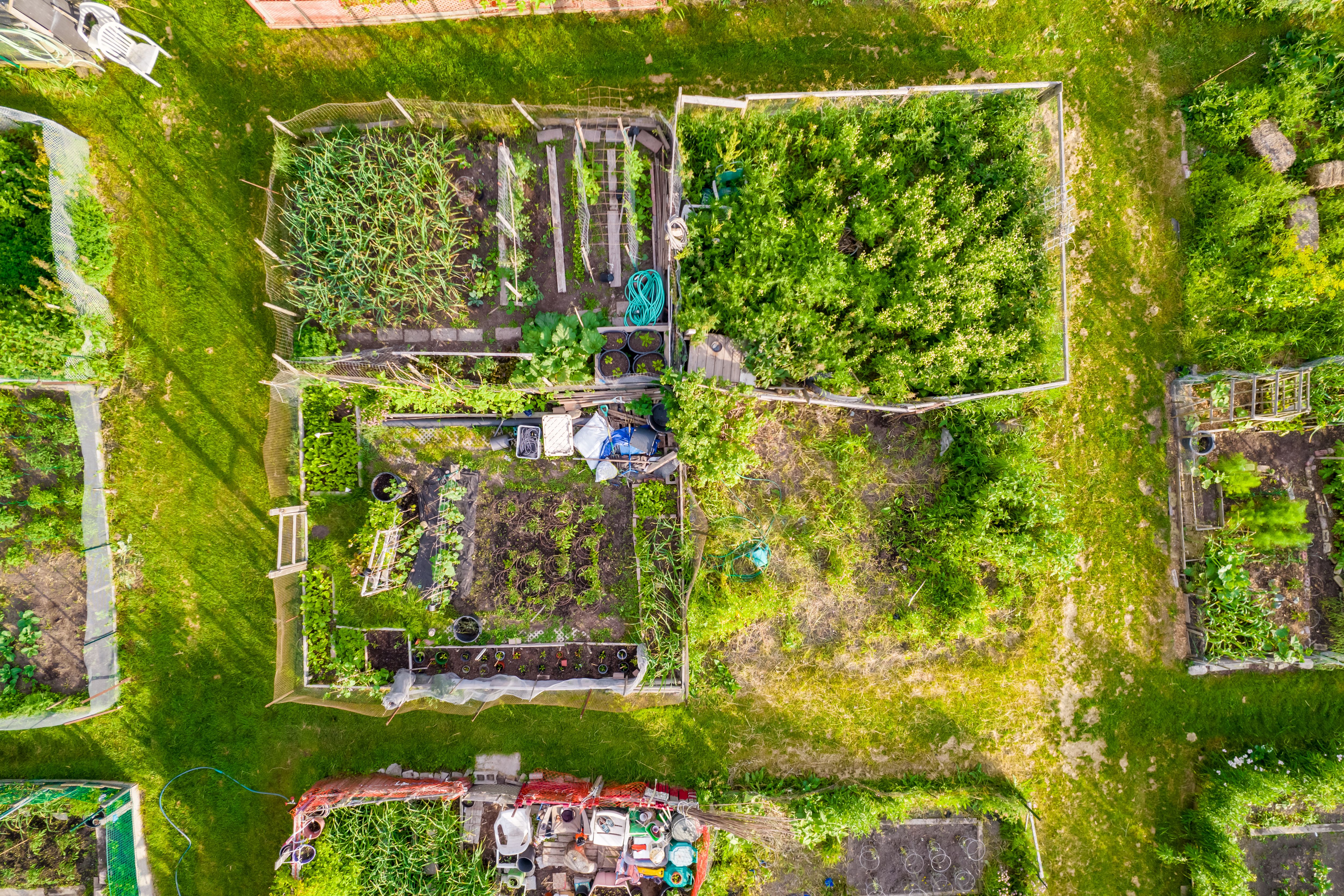
Sustainable economics promotes resilience by reducing dependency on finite resources and volatile markets. Communities that invest in renewable energy and local agriculture, for instance, can protect themselves from global economic fluctuations.
Improved Quality of Life
An emphasis on equitable resource distribution and environmental health leads to a higher quality of life. Cleaner air, access to green spaces, and job opportunities in sustainable industries contribute to healthier, happier communities.
Challenges and Solutions
Despite the benefits, transitioning to sustainable economics can pose challenges. These include resistance to change, initial costs, and the need for education and awareness. However, solutions such as government incentives, public-private partnerships, and community engagement can help overcome these obstacles.

In conclusion, sustainable economics is a powerful tool for transforming local communities. By embracing resource efficiency, equity, and long-term planning, communities can pave the way for a prosperous and sustainable future.