Debunking Myths About Sustainable Economics


Understanding Sustainable Economics
Sustainable economics is a concept often surrounded by misconceptions. Many believe it's a utopian idea or simply unfeasible. In reality, sustainable economics is a practical framework focused on balancing economic growth, social equity, and environmental protection.
Myth: Sustainable Economics is Anti-Growth
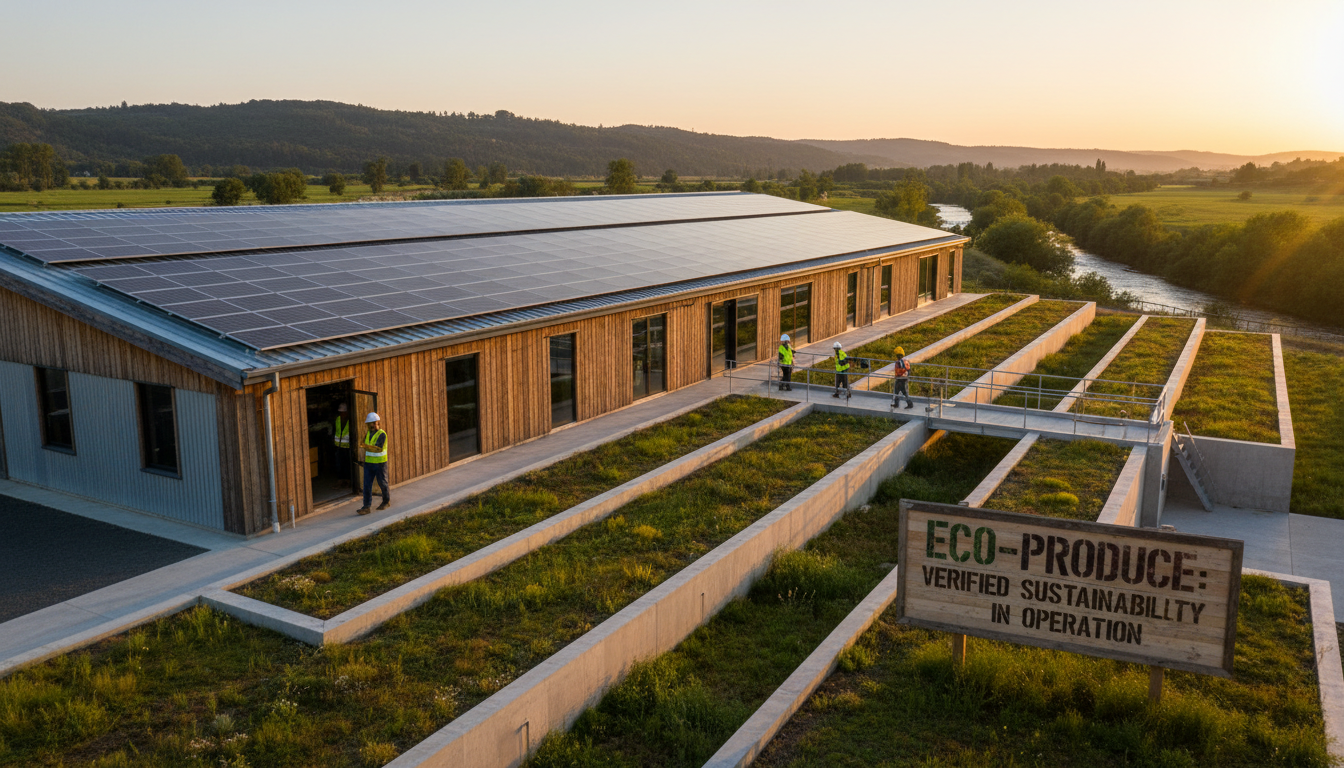
A common myth is that sustainable economics opposes growth. This is far from the truth. It advocates for smart growth—growth that considers long-term well-being and environmental impact. The focus is on creating a balanced approach that seeks progress without depleting natural resources or harming ecosystems.
For instance, sustainable economics promotes the use of renewable energy, which supports economic growth while minimizing environmental damage. This shift can lead to new industries and job opportunities, fostering economic development.

Myth: Sustainable Economics is Too Expensive
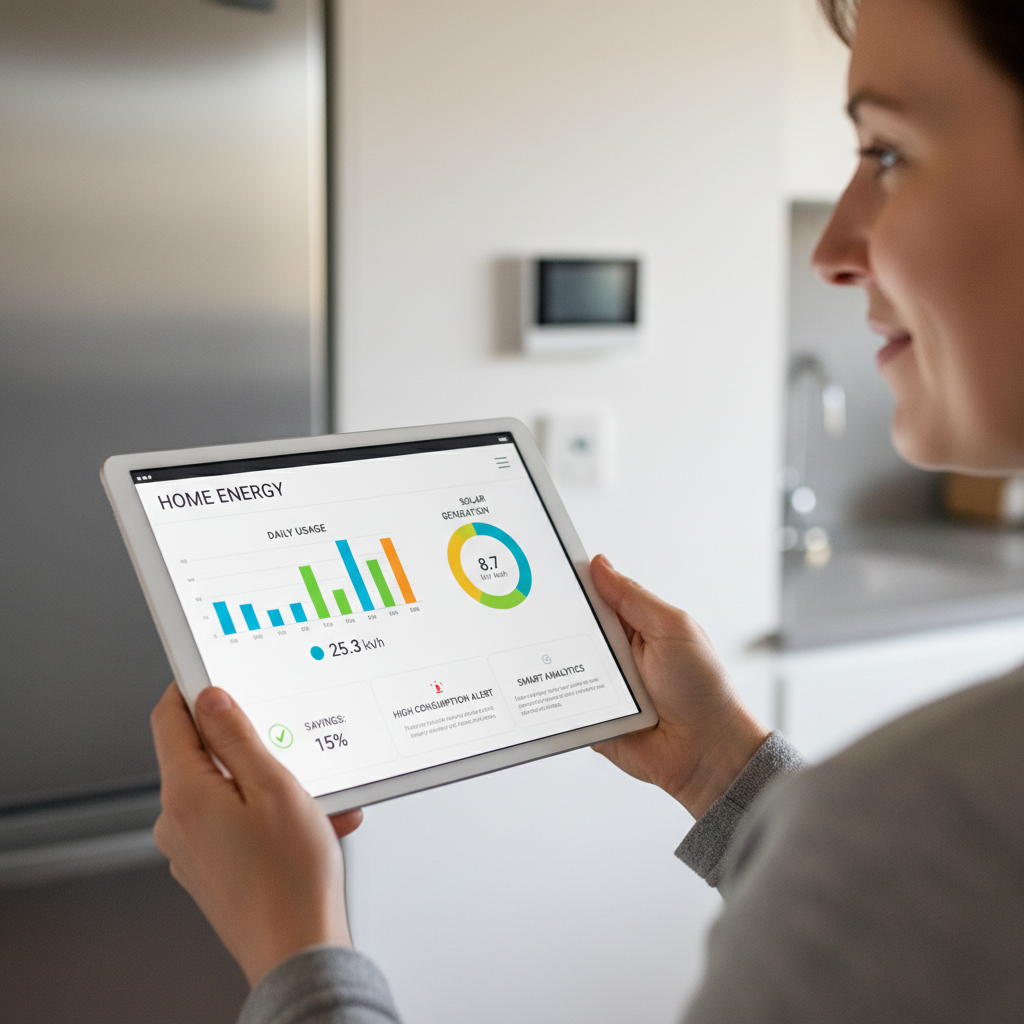
Another prevalent myth is that sustainable practices are prohibitively expensive. While initial investments might be higher, the long-term savings and benefits often outweigh these costs. Energy-efficient technologies, for instance, can significantly reduce utility bills over time.
Moreover, adopting sustainable practices can lead to economic resilience. By reducing dependence on finite resources, economies can better withstand market fluctuations and resource scarcity.
Myth: Sustainable Economics Doesn’t Impact Individuals
Some believe that sustainable economics is only relevant to governments and large corporations. However, individuals play a crucial role. Consumer choices can drive demand for sustainable products, encouraging businesses to adopt eco-friendly practices.
Individuals can contribute by supporting local businesses, reducing waste, and choosing sustainable products. These actions, collectively, can lead to significant environmental and economic benefits.
The Future of Sustainable Economics
The future of sustainable economics is promising. As more people and organizations recognize its benefits, the shift towards sustainable practices is gaining momentum. This transition is not only vital for environmental preservation but also essential for creating a more equitable and resilient global economy.
- Promote renewable energy investments.
- Encourage sustainable consumer behavior.
- Support policies that balance growth and sustainability.

Debunking these myths is crucial for a widespread understanding and adoption of sustainable economics. It’s a path to a future where economic growth and environmental health go hand in hand, ensuring prosperity for generations to come.