Debunking Myths: Common Misconceptions About Sustainable Economics


Understanding Sustainable Economics
Sustainable economics is a term frequently mentioned in discussions about environmental conservation and economic growth. However, despite its growing popularity, several myths and misconceptions cloud its true meaning and potential. Let's dive into some common misconceptions and set the record straight.
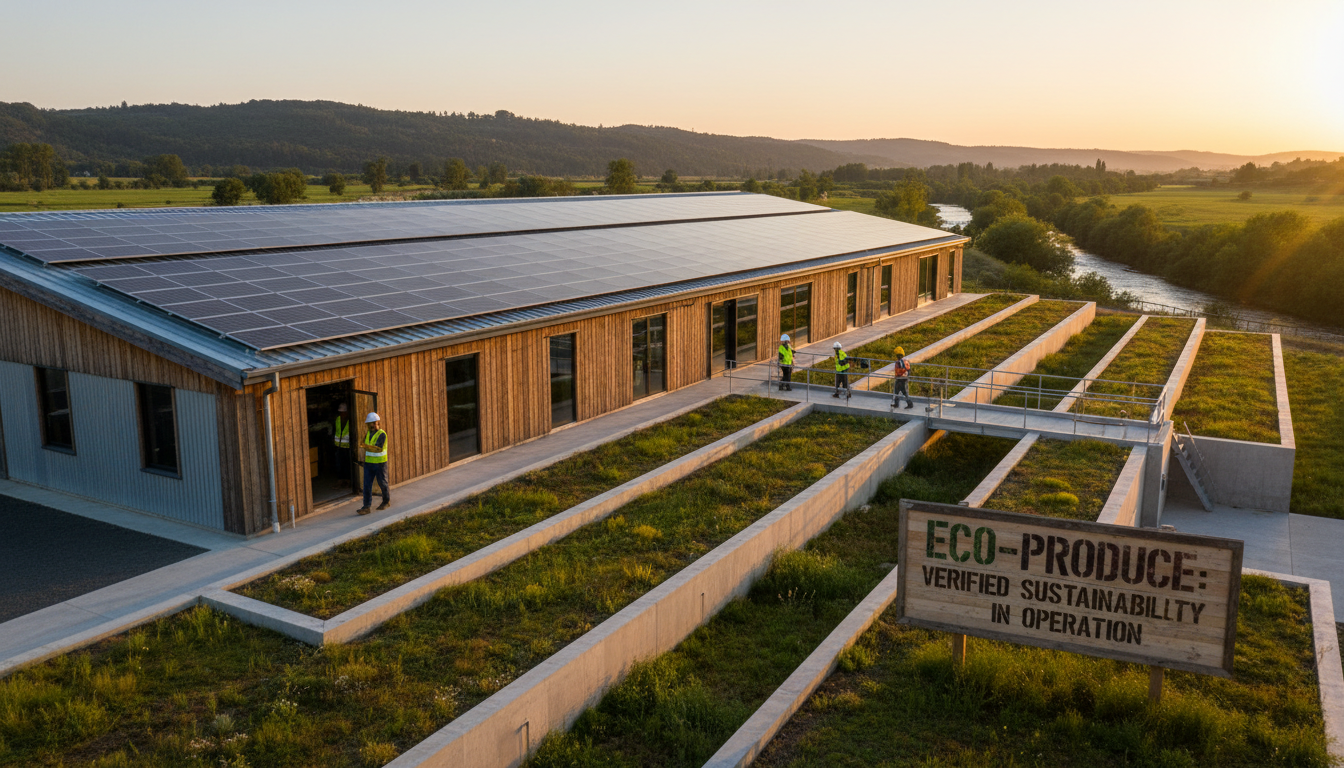
Myth 1: Sustainable Economics Is Anti-Growth
One of the most pervasive myths is that sustainable economics opposes economic growth. This is far from the truth. Sustainable economics seeks to harmonize growth with environmental stewardship. It emphasizes that long-term prosperity relies on balancing resource use and regeneration.
In reality, sustainable economic models encourage innovation, efficiency, and resilience, leading to growth that benefits both the economy and the environment. By integrating sustainable practices, businesses can achieve cost savings and open new markets.
Myth 2: It's Only About the Environment
While environmental concerns are a central component, sustainable economics encompasses much more. It also includes social equity and economic viability. The aim is to create a system that supports human well-being, reduces inequality, and ensures fair access to resources.

For example, sustainable economics promotes practices that ensure fair labor conditions and community development, recognizing that social and economic factors are interconnected with environmental health.
Myth 3: Sustainable Practices Are Too Costly
A common misconception is that sustainable practices are prohibitively expensive. While initial investments may be higher, the long-term benefits often outweigh the costs. Companies adopting sustainable practices frequently see savings through increased efficiency, reduced waste, and improved brand reputation.
- Energy-efficient technologies reduce utility costs.
- Recycling and waste reduction lower material expenses.
- Eco-friendly products attract environmentally-conscious consumers.

Myth 4: It's a Trend, Not a Necessity
Some view sustainable economics as a passing trend, but it is increasingly recognized as essential for future resilience. As natural resources become scarcer and climate change impacts intensify, sustainable practices become critical for ongoing economic stability.
Governments and businesses are acknowledging this necessity by investing in renewable energy, sustainable agriculture, and circular economies to ensure long-term viability and competitiveness.
The Path Forward
Addressing these misconceptions is crucial in advancing sustainable economics. By understanding its true scope and potential, businesses, policymakers, and individuals can better support practices that promote a thriving planet and economy.

Ultimately, sustainable economics is about creating a future where economic prosperity and environmental health go hand in hand, ensuring that both people and the planet can flourish.