Debunking Common Myths About Sustainable Economics


Introduction to Sustainable Economics
Sustainable economics is garnering attention as businesses and individuals seek to balance economic growth with environmental stewardship. Despite its rising popularity, several myths persist about what sustainable economics truly entails. In this post, we'll debunk some of these common misconceptions.
Understanding the truth about sustainable economics is crucial for fostering a more balanced and resilient future. By separating fact from fiction, we can better align economic practices with the planet's needs.
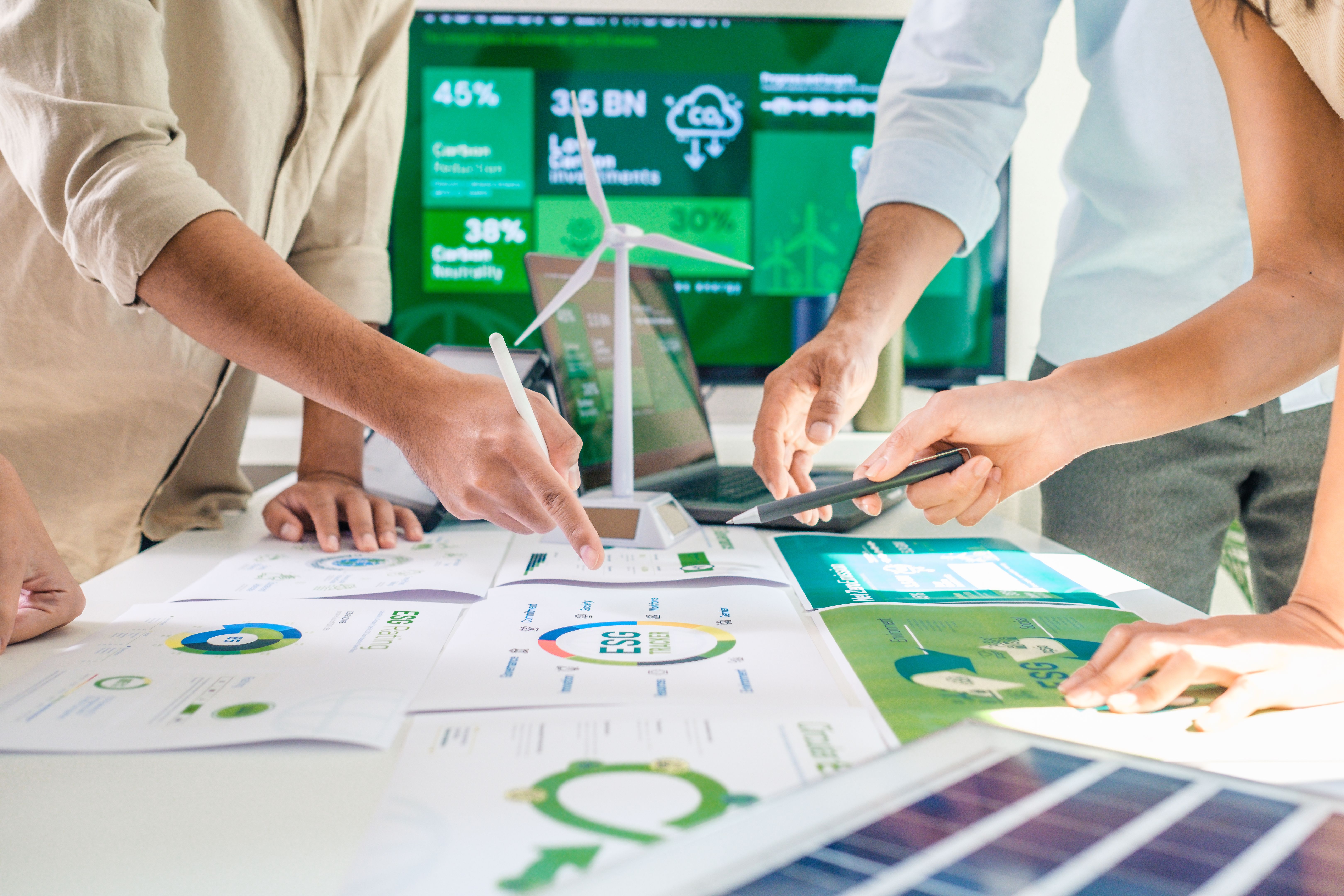
Myth 1: Sustainable Economics is Anti-Growth
A widespread myth is that sustainable economics opposes economic growth. In reality, it advocates for a different kind of growth—one that is inclusive and long-term. Sustainable economics seeks to create an economy that supports human well-being without depleting natural resources.
This approach encourages innovation, efficiency, and the development of new markets that can thrive without harming the environment. By focusing on sustainable practices, businesses can achieve growth while preserving the planet for future generations.
Myth 2: Sustainable Practices are Too Expensive
Another common belief is that sustainable practices are prohibitively expensive. While initial investments may be higher, the long-term savings and benefits often outweigh these costs. Implementing energy-efficient technologies, for example, can lead to significant reductions in utility bills over time.
Moreover, sustainable practices can open up new opportunities for revenue generation. Companies that prioritize sustainability often see enhanced brand loyalty and can tap into new markets that value eco-friendly products and services.

Myth 3: Sustainable Economics Only Focuses on the Environment
It's a mistake to think that sustainable economics is solely about environmental issues. It also encompasses social and economic dimensions, aiming for an equitable distribution of resources and opportunities.
This holistic approach ensures that economic systems are resilient and can support diverse communities. By integrating social equity and economic viability, sustainable economics promotes a balanced and fair society.
Myth 4: Sustainable Economics is a Passing Trend
Some view sustainable economics as a fleeting trend. However, the increasing global focus on climate change, resource scarcity, and social inequality suggests otherwise. Businesses and governments are recognizing the necessity of sustainable practices for long-term viability.
As awareness grows, sustainable economics is becoming an integral part of business strategies and policy-making, indicating its lasting impact on the global economy.

Conclusion: Embracing the Future
Debunking these myths is essential for advancing sustainable economics. By understanding its true nature, we can better implement practices that support both economic growth and environmental sustainability.
As we move forward, embracing sustainable economics will be key to creating a thriving and resilient global economy. It's not just a choice—it's a necessity for a sustainable future.