Comparing Traditional vs. Sustainable Economic Models: A Buyer's Guide


Understanding Economic Models
In today's rapidly changing world, the choice between traditional and sustainable economic models is becoming increasingly important. For consumers and businesses alike, understanding these models can guide better decision-making, particularly when it comes to purchasing and investment.
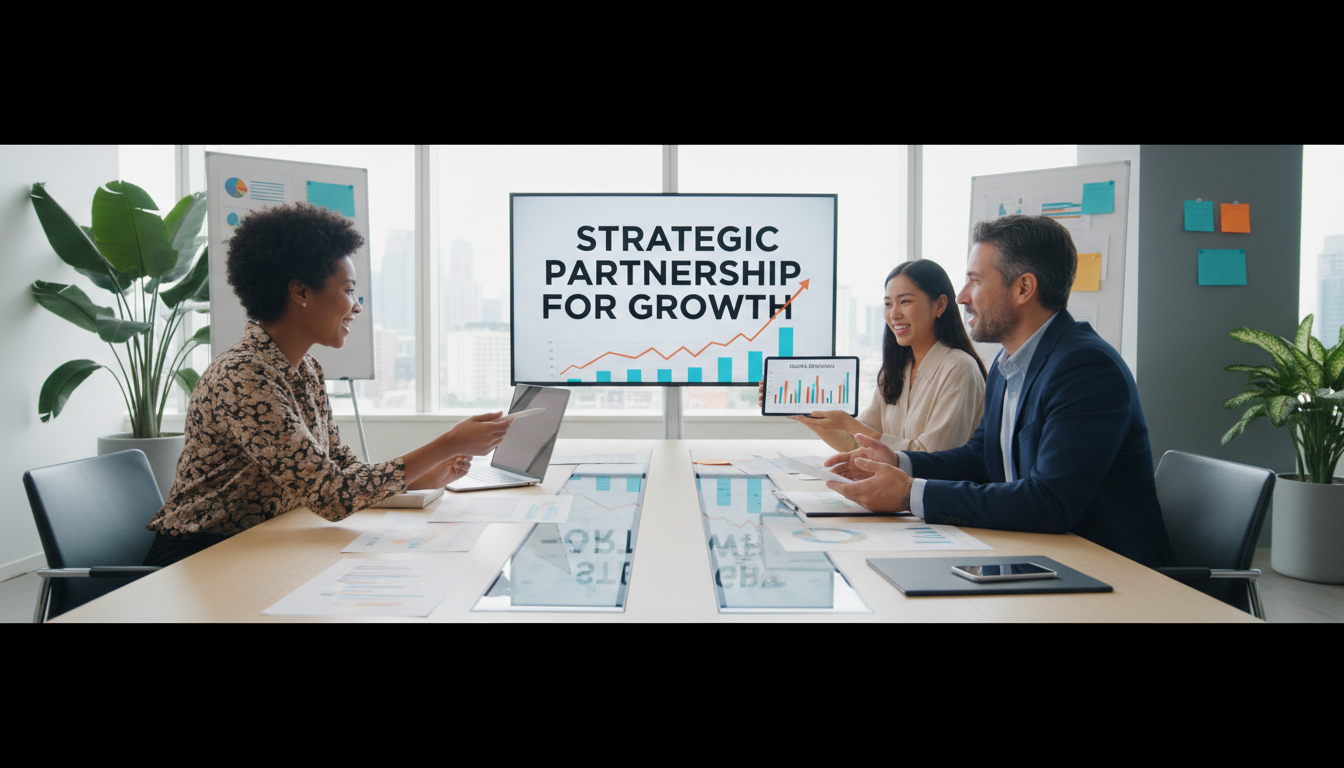
Traditional economic models have long been the foundation of global commerce. These models focus primarily on profit maximization and economic growth, often without considering environmental and social impacts. This approach has driven significant advancements, but it also poses challenges in terms of resource depletion and environmental degradation.
The Principles of Sustainable Economic Models
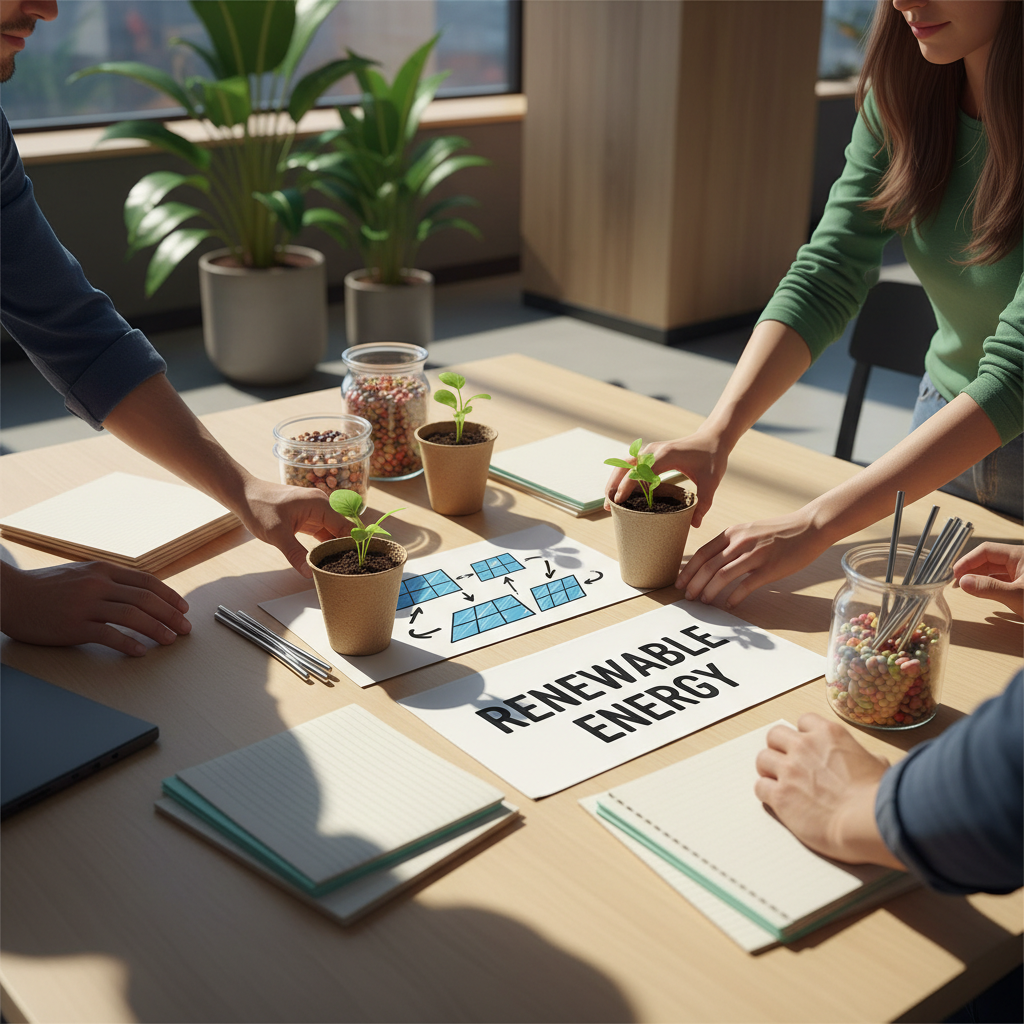
Sustainable economic models aim to balance economic growth with environmental stewardship and social equity. These models prioritize long-term viability over short-term gains, focusing on reducing carbon footprints, utilizing renewable resources, and promoting fair labor practices.
Key principles of sustainable models include:
- Resource Efficiency: Minimizing waste and maximizing resource use.
- Community Engagement: Supporting local economies and communities.
- Environmental Responsibility: Reducing environmental impact through innovation and conservation.
Comparing Costs and Benefits
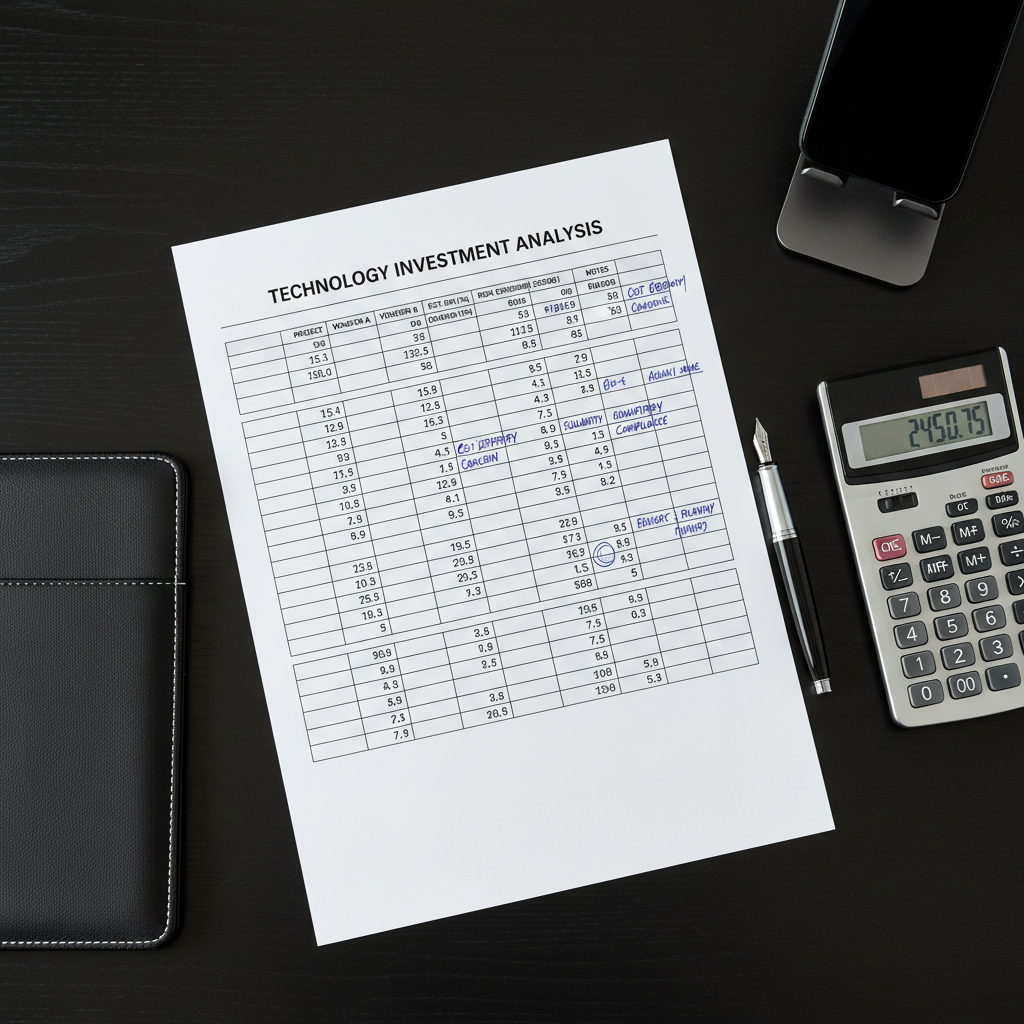
When comparing traditional and sustainable models, it's essential to consider both costs and benefits. Traditional models often offer lower upfront costs due to established supply chains and economies of scale. However, they may incur higher long-term environmental and social costs.
On the other hand, sustainable models might have higher initial expenses but often result in long-term savings and benefits. For instance, energy-efficient technologies might require a larger upfront investment but lead to significant energy savings over time.
Impact on Consumers and Businesses
Consumers are increasingly aware of the environmental and social impacts of their purchases. This awareness is driving demand for sustainable products and services, encouraging businesses to adopt more sustainable practices. Companies that embrace sustainability often enjoy enhanced brand loyalty and a competitive edge in the market.
For businesses, transitioning to a sustainable model can involve rethinking supply chains, product design, and marketing strategies. While the transition can be challenging, the potential for innovation and differentiation makes it a worthwhile endeavor.
Making Informed Decisions
As a buyer, understanding the dynamics of traditional versus sustainable economic models can empower you to make more informed decisions. Consider the long-term impact of your purchases, not just on your wallet but also on society and the planet.
When evaluating products or services, look for certifications or labels that indicate sustainability, such as organic, fair trade, or energy star ratings. These can guide you towards more environmentally and socially responsible choices.

Conclusion
The choice between traditional and sustainable economic models is not always clear-cut. However, by understanding the differences and being mindful of their implications, you can contribute to a more sustainable future. Whether you are a consumer or a business, embracing sustainability is an investment in the long-term health of our planet and society.