Comparing Sustainable and Traditional Economic Models


Understanding Economic Models
The world of economics is evolving rapidly, influenced by shifts in technology, environmental awareness, and societal values. Among the various economic models, two primary approaches stand out: sustainable and traditional economic models. Understanding these models is crucial for businesses, policymakers, and individuals aiming to make informed decisions.
The Traditional Economic Model
The traditional economic model focuses primarily on maximizing growth and profit. It operates on the principles of supply and demand, often prioritizing short-term gains over long-term impacts. This model has driven industrialization and technological advancements, contributing significantly to global economic development.

However, the traditional model often overlooks environmental and social costs. The emphasis on continuous growth can lead to resource depletion, environmental degradation, and increased inequality. Critics argue that this approach is unsustainable in the long run, as it fails to address the finite nature of natural resources.
The Rise of Sustainable Economic Models
In contrast, sustainable economic models aim to balance economic growth with environmental stewardship and social equity. These models emphasize long-term sustainability and consider the environmental and social impacts of economic activities. The goal is to create an economy that meets present needs without compromising the ability of future generations to meet theirs.
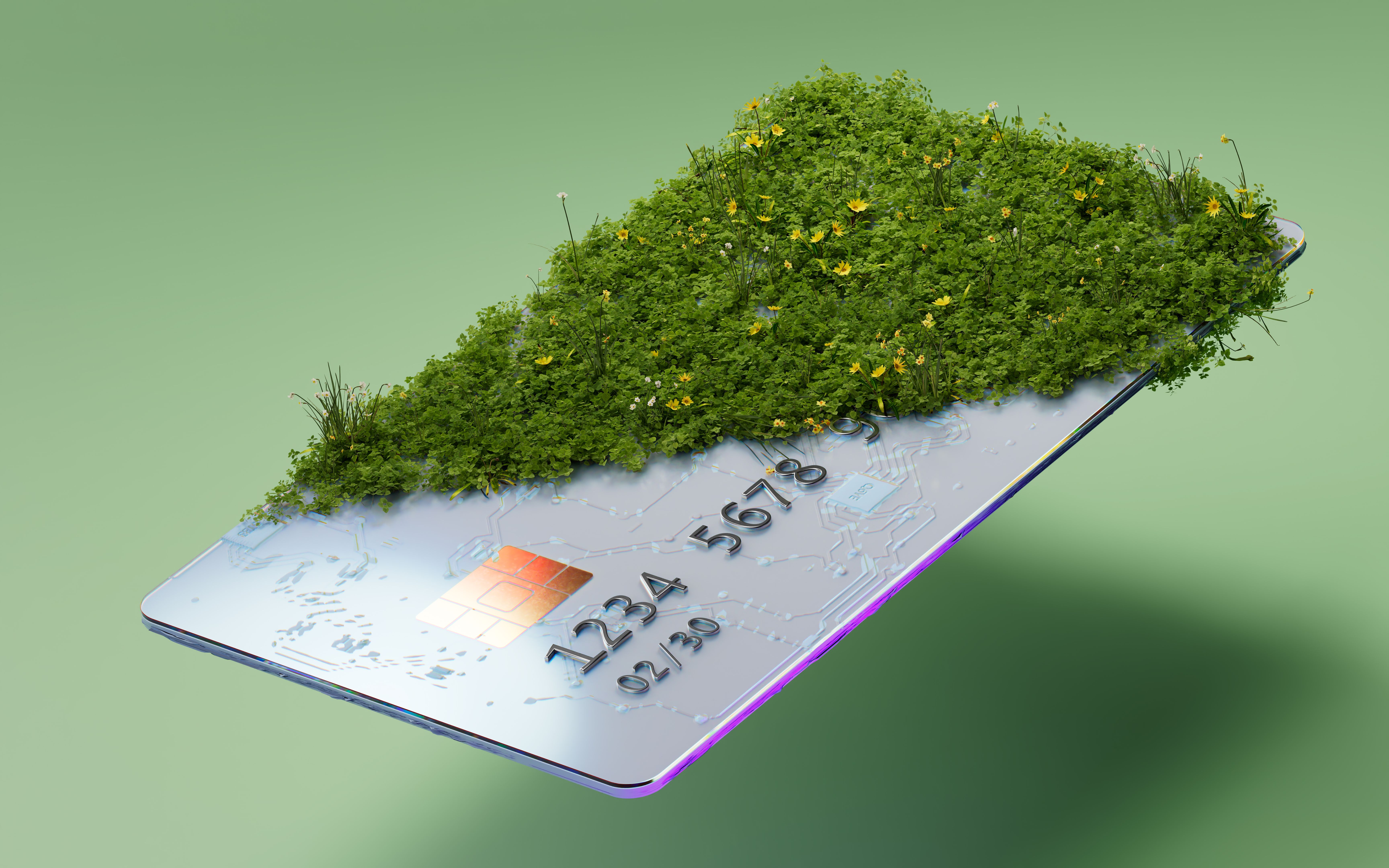
Sustainable models incorporate concepts like the circular economy, which focuses on reducing waste and promoting the reuse of resources. They also emphasize corporate social responsibility (CSR) and the importance of sustainable business practices.
Key Differences
While both models aim to drive economic success, their approaches and impacts differ significantly. Here are some key differences:
- Focus: Traditional models prioritize profit; sustainable models balance profit with environmental and social concerns.
- Time Horizon: Traditional models often focus on short-term gains; sustainable models emphasize long-term impacts.
- Resource Use: Traditional models can lead to resource depletion; sustainable models promote resource efficiency and renewal.
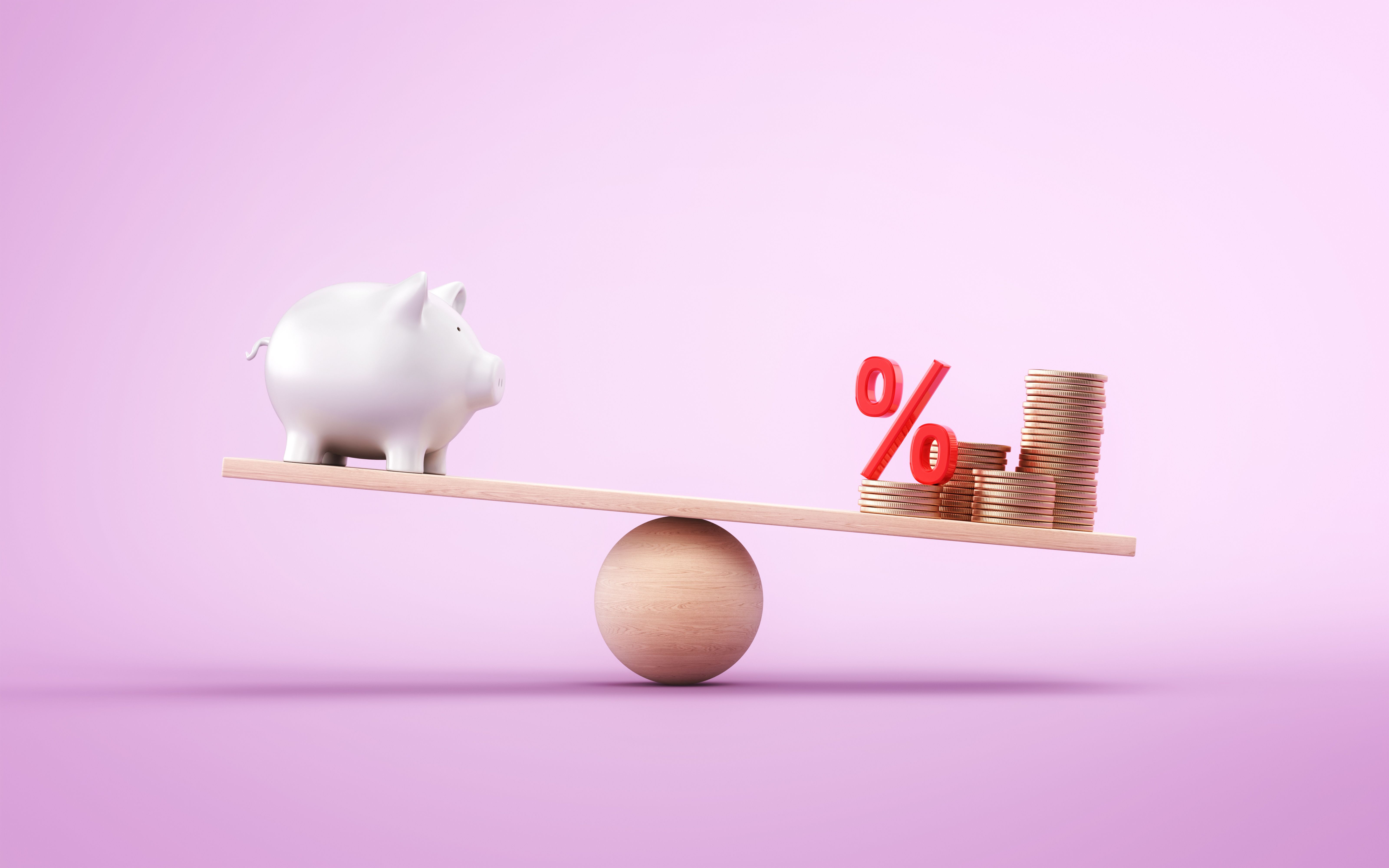
The Benefits of Sustainable Models
Adopting sustainable economic models can offer numerous benefits, including:
- Environmental Preservation: Reducing negative environmental impacts and promoting biodiversity.
- Social Equity: Improving social welfare and reducing inequalities.
- Economic Resilience: Building economies that are more resilient to shocks and crises.
Businesses and governments are increasingly recognizing these benefits, leading to a growing adoption of sustainable practices worldwide.
Challenges and Considerations
Transitioning to sustainable economic models is not without challenges. It requires significant changes in policy, business practices, and consumer behavior. Additionally, measuring the impact of sustainability initiatives can be complex, necessitating new metrics and evaluation methods.
Despite these challenges, the momentum for sustainable economic models is building. As awareness grows, more stakeholders are willing to invest time and resources into creating a sustainable future.