Case Study: Successful Sustainable Economic Practices in the U.S.


Introduction to Sustainable Economic Practices
As environmental concerns continue to rise, businesses across the globe are increasingly turning towards sustainable economic practices. In the United States, several companies are pioneering innovative strategies that not only benefit the environment but also enhance profitability. This case study explores some of the most successful sustainable economic practices in the U.S.
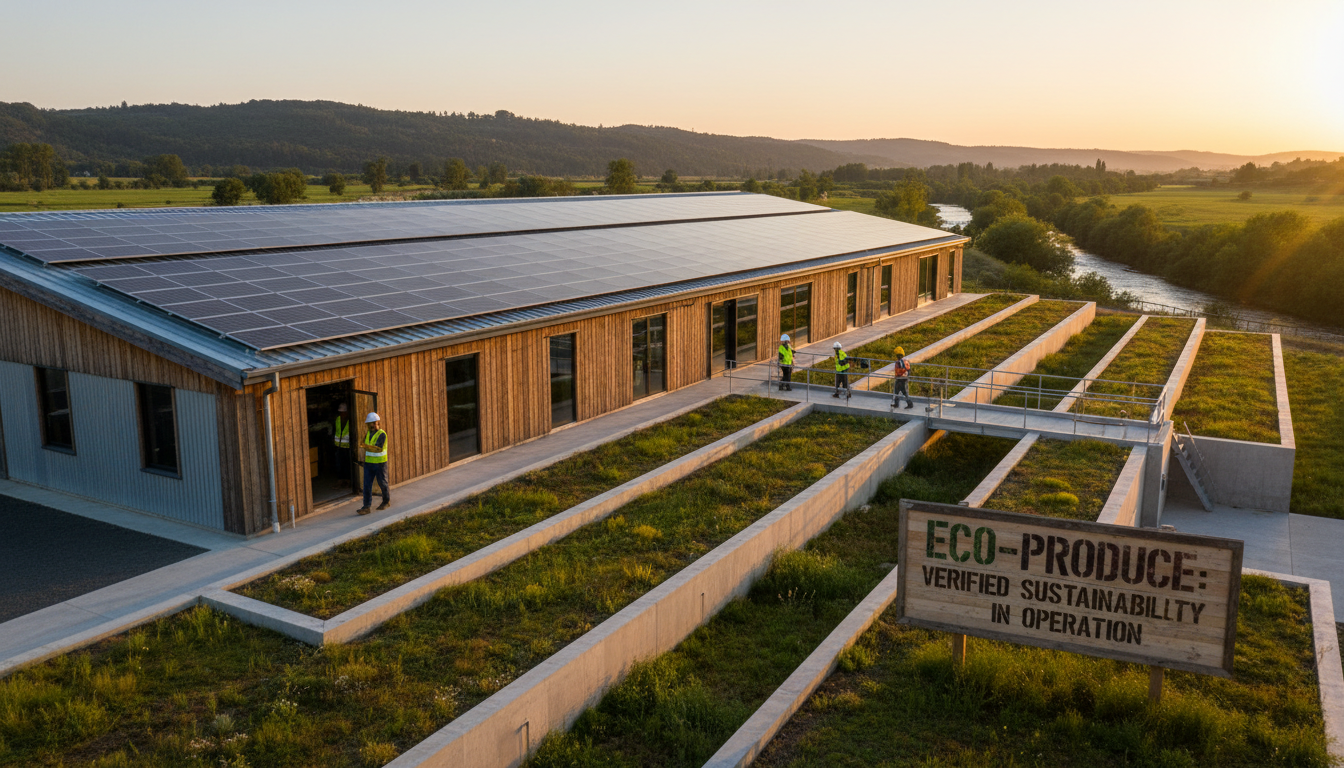
Renewable Energy Adoption
One of the most significant trends in sustainable economic practices is the adoption of renewable energy sources. Companies like Google and Apple have made substantial investments in solar and wind energy to power their operations. By reducing reliance on fossil fuels, these corporations are cutting down on greenhouse gas emissions and setting a precedent for others in the industry.
Beyond reducing carbon footprints, the shift to renewable energy also offers financial benefits. Businesses can significantly lower their energy costs over time. Additionally, renewable energy investments often come with tax incentives and credits, further enhancing their economic appeal.

Waste Reduction and Recycling Initiatives
Another critical aspect of sustainable practices is waste reduction and efficient recycling. Companies like Starbucks have implemented comprehensive recycling programs, aiming to minimize waste sent to landfills. By redesigning packaging and encouraging customers to use reusable containers, businesses are not only preserving the environment but also engaging their consumers in sustainability efforts.
These initiatives often lead to cost savings in the long run. Reduced waste disposal costs and potential revenue from recycled materials contribute to a company’s bottom line, demonstrating that sustainability and profitability can go hand in hand.

Sustainable Supply Chain Management
Businesses are increasingly recognizing the importance of sustainable supply chain management. Retail giant Walmart, for example, has made strides in ensuring that its suppliers adhere to environmentally friendly practices. By sourcing materials responsibly and promoting ethical labor practices, companies can improve their brand image and increase consumer trust.
Moreover, sustainable supply chains can lead to greater efficiency. Streamlined processes and reduced waste often result in cost reductions, helping businesses maintain a competitive edge in the market.

Community Engagement and Social Responsibility
Successful sustainable economic practices often extend beyond environmental concerns to include social responsibility. Companies are engaging with local communities to support sustainable development projects. For instance, Patagonia has long been involved in environmental activism, using a portion of its profits to support grassroots organizations.
This commitment to social responsibility not only enhances a company’s reputation but also fosters stronger relationships with customers and communities. In the long term, such engagement can lead to increased customer loyalty and brand value.

Conclusion
The case studies of successful sustainable economic practices in the U.S. highlight the potential for businesses to achieve profitability while prioritizing environmental and social responsibility. Through renewable energy adoption, waste reduction, sustainable supply chain management, and community engagement, companies are paving the way for a more sustainable future.
As more businesses recognize the benefits of sustainability, it is likely that we will see a continued expansion of these practices across various industries. The synergy between economic success and environmental stewardship is becoming increasingly clear, offering a promising path forward for companies worldwide.