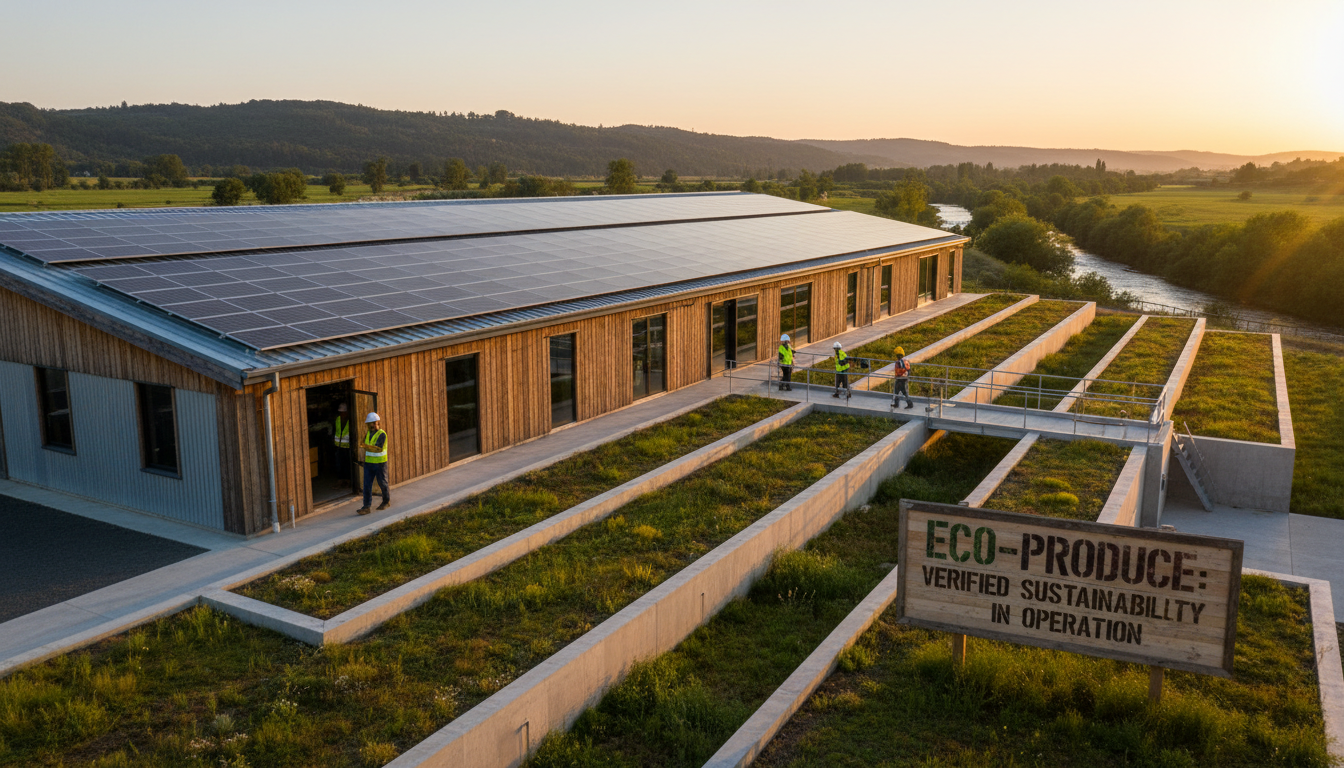
Case Study: Successful Implementation of Sustainable Economics in the United States


Introduction to Sustainable Economics
In recent years, the concept of sustainable economics has gained significant traction in the United States. As environmental concerns grow, businesses and governments are increasingly recognizing the importance of integrating sustainability into economic practices. This case study explores the successful implementation of sustainable economics in various sectors across the country.

Key Drivers of Sustainable Economics
Several factors have contributed to the rise of sustainable economics in the U.S. One major driver is the increasing consumer demand for environmentally friendly products and services. This shift in consumer behavior has pushed companies to adopt more sustainable practices.
Additionally, government policies and incentives have played a crucial role. By implementing tax breaks and subsidies for green initiatives, the government has encouraged businesses to invest in sustainable technologies and practices.
Technological Advancements
Technological innovation is another critical factor supporting sustainable economics. Advances in renewable energy, waste management, and sustainable agriculture have provided businesses with new tools to reduce their environmental impact while maintaining profitability.

Case Study: Renewable Energy Initiatives
One of the most prominent examples of sustainable economics in action is the growth of the renewable energy sector. Companies across the U.S. have heavily invested in solar, wind, and other renewable energy sources, leading to significant reductions in carbon emissions.
For instance, states like California and Texas have become leaders in solar and wind energy production, respectively. These efforts have not only contributed to environmental goals but have also created jobs and stimulated economic growth.
Corporate Sustainability Practices
Corporations are increasingly adopting sustainable practices as part of their core business strategies. This includes reducing waste, optimizing supply chains, and investing in sustainable materials. Companies like Patagonia and Tesla have set benchmarks in integrating sustainability into their operations, proving that environmental responsibility can coexist with profitability.

Challenges and Opportunities
Despite the successes, there are still challenges in fully implementing sustainable economics. Initial costs and resistance to change can hinder progress. However, the long-term benefits, such as cost savings and enhanced brand reputation, present significant opportunities for businesses willing to embrace sustainability.
Furthermore, collaboration between public and private sectors can accelerate the transition to a more sustainable economy. By working together, these sectors can address challenges and drive innovation forward.
The Future of Sustainable Economics
Looking ahead, the future of sustainable economics in the U.S. appears promising. As technology continues to evolve and consumer awareness grows, the integration of sustainability into economic practices is expected to deepen.
Continued investment in research and development, along with supportive policies, will be key to sustaining this momentum. By fostering a culture of sustainability, the U.S. can lead the way in creating a more resilient and environmentally responsible economy.