Case Studies: Successful Implementations of Sustainable Economics


Introduction to Sustainable Economics
In recent years, the concept of sustainable economics has gained significant traction as businesses and governments recognize the necessity of integrating environmental and social considerations into economic decision-making. By aligning economic practices with sustainability goals, organizations can achieve long-term prosperity while preserving resources for future generations.
In this blog post, we'll explore several case studies that highlight successful implementations of sustainable economics. These examples showcase how innovative approaches can lead to both economic and ecological benefits.

Case Study 1: Renewable Energy Transition
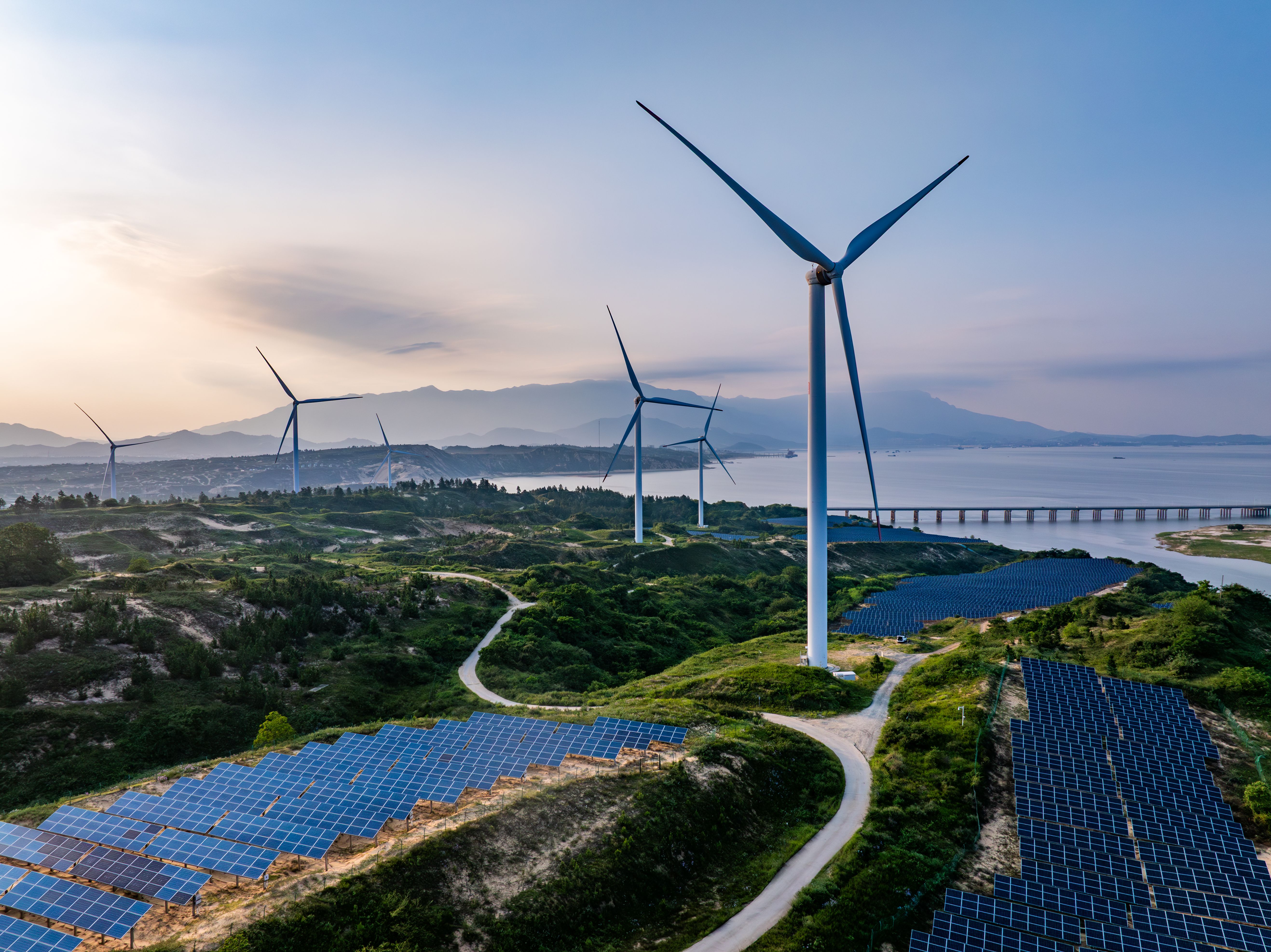
One of the most compelling examples of sustainable economics is the transition to renewable energy sources. Countries like Germany have made significant strides in this area. Germany's Energiewende policy aims to phase out nuclear power while increasing renewable energy's share in the energy mix.
Thanks to substantial investments in solar and wind energy, Germany has managed to reduce its carbon emissions significantly. This transition not only supports environmental goals but also creates jobs in the renewable energy sector, demonstrating a successful economic model.
Benefits of Renewable Energy
Implementing renewable energy solutions offers several advantages:
- Environmental Impact: Reduces greenhouse gas emissions and dependency on fossil fuels.
- Economic Growth: Stimulates job creation and technological innovation.
- Energy Security: Diversifies energy sources and enhances national security.
Case Study 2: Circular Economy in the Fashion Industry
The fashion industry is notorious for its environmental impact, but some companies are paving the way for a circular economy. A notable example is a global clothing retailer that has implemented a garment collection program, encouraging customers to recycle old clothing.
By transforming waste into new products, this initiative reduces the need for raw materials and minimizes waste. The company also invests in sustainable materials, demonstrating a commitment to responsible production and consumption.

Key Components of a Circular Economy
The circular economy model focuses on the following principles:
- Design for Longevity: Creating products that are durable and repairable.
- Resource Efficiency: Maximizing the use of resources through recycling and reuse.
- Waste Reduction: Minimizing waste by designing out waste from the beginning.
Case Study 3: Urban Agriculture and Local Food Systems
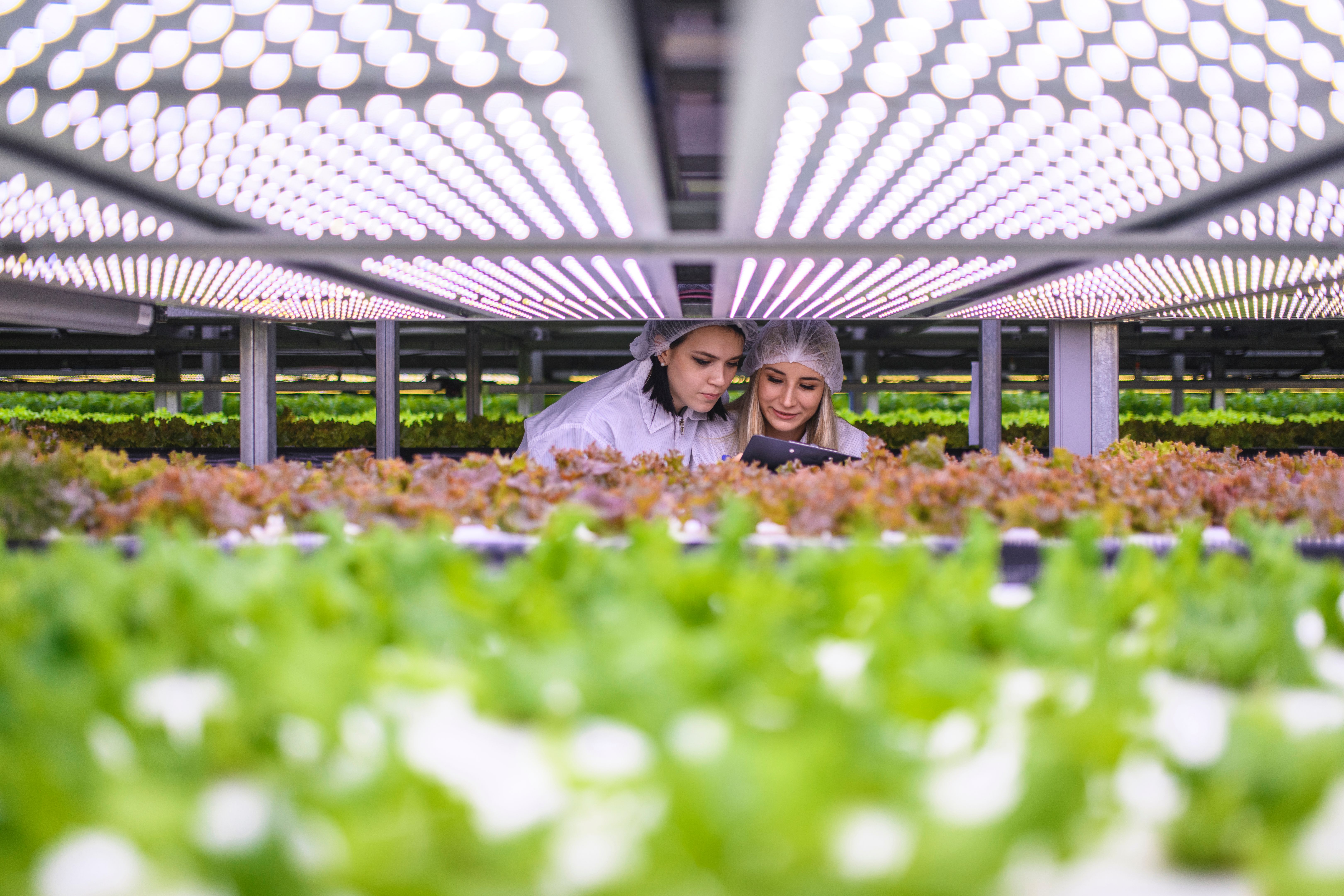
Urban agriculture is transforming how cities address food security and sustainability. In cities like Detroit, community-driven urban farms have revitalized abandoned spaces, providing fresh produce to local residents.
These initiatives not only improve access to nutritious food but also foster community engagement and education. By reducing the need for long-distance food transportation, urban agriculture contributes to lower carbon emissions.
Advantages of Urban Agriculture
Urban agriculture offers numerous benefits, including:
- Community Empowerment: Strengthens community ties and promotes self-reliance.
- Environmental Benefits: Enhances urban biodiversity and reduces the carbon footprint.
- Economic Opportunities: Creates jobs and supports local economies.
Conclusion
These case studies illustrate the transformative power of sustainable economics. By embracing renewable energy, circular economy practices, and urban agriculture, societies can achieve economic prosperity while fostering environmental stewardship.
As more organizations adopt sustainable economic models, the potential for a greener and more equitable future becomes increasingly attainable. The success of these initiatives serves as an inspiration for others looking to make a positive impact.