A Beginner's Guide to Sustainable Economics: Principles and Practices


Understanding Sustainable Economics
Sustainable economics is an approach that seeks to balance economic growth with environmental stewardship and social equity. It emphasizes the importance of meeting present needs without compromising the ability of future generations to meet their own needs. As concerns about climate change and resource depletion grow, sustainable economics is becoming an essential framework for policymakers and businesses alike.
This guide will introduce you to the basic principles and practices of sustainable economics, helping you understand how they can be applied in real-world scenarios.
The Three Pillars of Sustainability
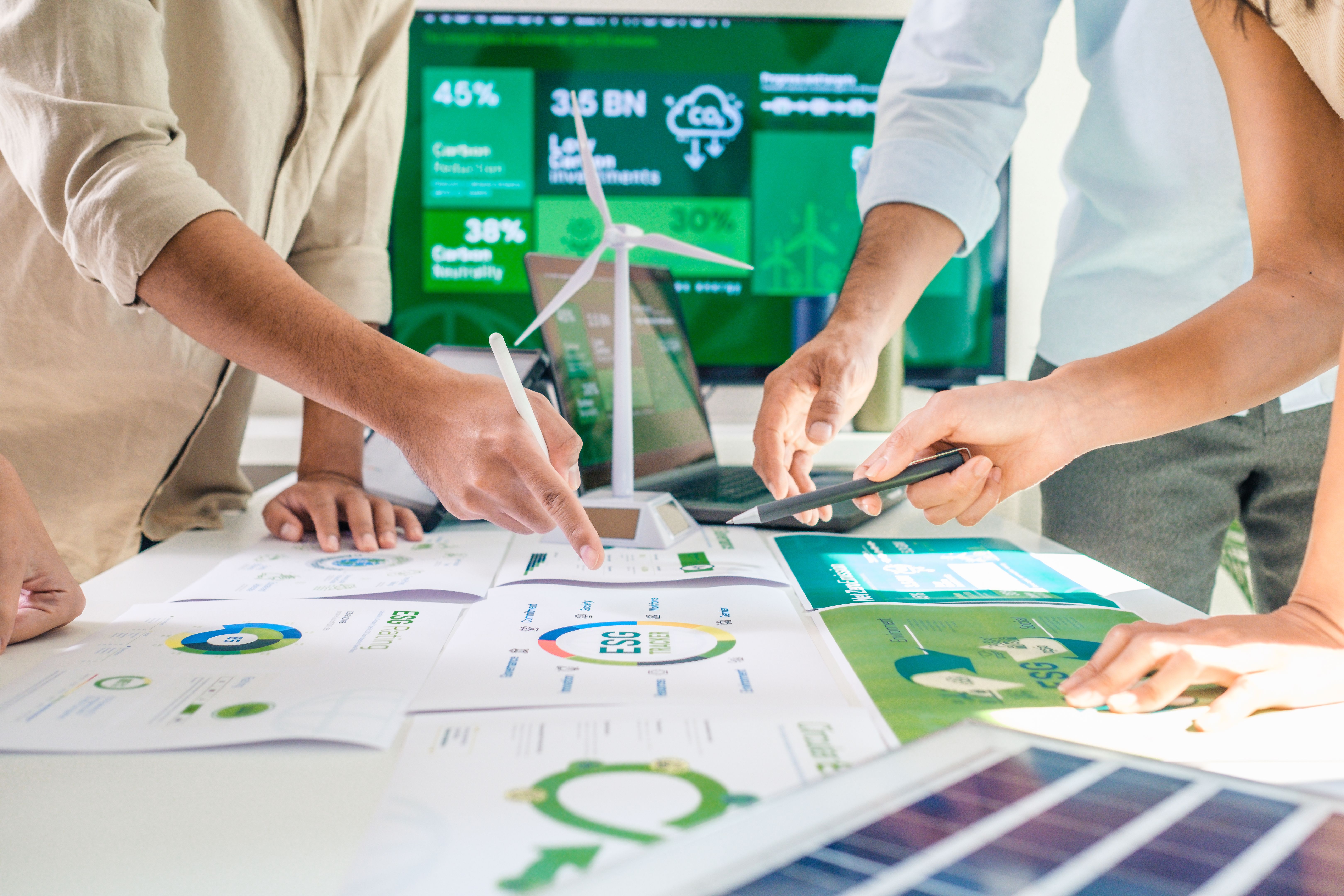
At the heart of sustainable economics are the three pillars of sustainability: environmental, social, and economic. These pillars ensure that growth is not achieved at the expense of the planet or people.
- Environmental Sustainability: Focuses on reducing the ecological footprint by conserving natural resources and minimizing pollution.
- Social Sustainability: Aims to improve the quality of life for all individuals, ensuring equitable access to resources and opportunities.
- Economic Sustainability: Involves creating systems that are economically viable and resilient over the long term.
Principles of Sustainable Economics
Adopting sustainable economics involves several key principles:
- Resource Efficiency: Using resources more efficiently to minimize waste and reduce environmental impact.
- Renewable Energy: Transitioning from fossil fuels to renewable energy sources like solar, wind, and hydro power.
- Fair Trade Practices: Ensuring that producers in developing countries receive fair compensation for their goods.

Practical Applications
Many businesses and governments are already implementing sustainable economic practices. For example, companies are adopting circular economy models, which emphasize recycling and reusing materials. Governments are introducing policies to promote green technologies and reduce carbon emissions.
These practices not only contribute to environmental preservation but also offer economic benefits, such as cost savings and new business opportunities.

Challenges and Opportunities
While the principles of sustainable economics are gaining traction, there are still significant challenges to overcome. Transitioning to a sustainable economy requires significant investment and innovation, as well as changes in consumer behavior and policy frameworks.
However, these challenges also present opportunities for growth and development. By embracing sustainable economics, businesses can tap into new markets and build a more resilient future.
Getting Involved
Individuals can contribute to sustainable economics by making conscious choices in their daily lives. Supporting eco-friendly products, reducing energy consumption, and advocating for policies that promote sustainability are all ways to make a difference.
Education and awareness are also crucial. By staying informed about sustainable practices and their benefits, you can become an advocate for change in your community.

In conclusion, sustainable economics offers a promising path toward a more balanced and equitable world. By understanding and applying its principles, we can work together to create a sustainable future for all.